
Image alt

Blogs and Recipies

Blogs and Recipies

Gluten Free Atta Benefits, Uses and Roti Guide

Gluten Free Atta: Benefits, Uses and Roti-Making Guide Choosing gluten-free atta for everyday Indian cooking can involve some trial and error. Individual gluten-free flours may behave differently while kneading, rolling and cooking. A properly balanced flour blend can make the process more convenient. Dinesh Flour Mills Gluten Free Atta is a multigrain flour blend developed for rotis, chapatis, cheelas, wraps and other everyday recipes. It combines different flours with ingredients that help produce a more workable dough. What Is Dinesh Flour Mills Gluten Free Atta? Dinesh Flour Mills Gluten Free Atta is prepared using: Rice flour Jowar flour Corn flour Amaranth flour Besan Soyabean flour Gum Psyllium husk Each flour has its own taste and cooking characteristics. The ingredients are combined to create a ready-to-use blend, reducing the need to measure and mix several individual flours at home. The current product information describes it as freshly prepared, plant-based and made without added preservatives, artificial colours or artificial flavours. Buy Gluten Free Atta Practical Benefits of a Gluten-Free Flour Blend The word “benefits” here refers to practical kitchen convenience and recipe versatility. Gluten-free foods are not automatically nutritionally superior to wheat-based foods, and suitability depends on individual dietary requirements. 1. Ready Multigrain Combination Preparing gluten-free atta at home may require purchasing and measuring several flours separately. A prepared blend provides these ingredients in a single packet. 2. Designed for a Workable Dough Gluten normally provides elasticity to wheat dough. Gluten-free dough behaves differently and may break more easily. The gum and psyllium husk in this blend help bind the ingredients and make the dough easier to handle. 3. Suitable for Everyday Indian Recipes The flour can be used for rotis, chapatis, cheelas, wraps and different types of flatbreads. Customers can also experiment with savoury pancakes and baked snacks. 4. Consistent Ingredient Proportions Using a prepared blend helps maintain similar ingredient proportions each time. Water requirements may still vary slightly depending on weather, storage and the desired dough consistency. 5. Available in Different Pack Sizes The product is currently available in 900 g, 2 kg and 5 kg options. Customers can select a pack according to their household usage. How to Make Gluten-Free Rotis Gluten-free dough should be handled more gently than ordinary wheat dough. Ingredients 1 cup Dinesh Flour Mills Gluten Free Atta Warm water as required A small pinch of salt, optional 1 teaspoon oil, optional Method Place the atta in a wide bowl. Add warm water gradually while mixing. Bring the flour together using your fingers. Knead gently until you have a soft, workable dough. Cover and rest the dough for approximately 10 to 15 minutes. Divide it into small portions. Roll each portion gently using light flour dusting. If the dough sticks or cracks, roll it between two sheets of baking paper or food-safe plastic. Place the roti on a medium-hot tawa. Cook until small spots appear, turn it over and cook the other side. Press gently around the edges if needed. Serve immediately or keep covered in a cloth-lined container. Gluten-free rotis may develop small puffed areas but should not always be expected to rise exactly like wheat phulkas. Tips for Softer, Easier-to-Roll Rotis Add Water Slowly Different gluten-free flours absorb water at different rates. Adding too much water at once may make the dough sticky. Use Warm Water Warm water can help the ingredients absorb moisture and come together more evenly. Allow Resting Time Resting gives the flour and psyllium husk time to absorb water. If the dough becomes too firm after resting, knead in a small amount of water. Make Smaller Rotis Initially Smaller rotis are generally easier to lift and transfer to the tawa without breaking. Avoid Excessive Dry Flour Too much flour used for dusting can make the surface dry. Use only as much as needed to prevent sticking. Keep Cooked Rotis Covered Stack the cooked rotis and keep them covered until serving. This reduces unnecessary moisture loss. Other Ways to Use Gluten Free Atta Cheelas Combine the atta with water, spices and chopped vegetables to prepare a pourable batter. Cook it on a lightly greased tawa. Savoury Wraps Prepare slightly larger rotis and use them for vegetable, paneer or other fillings. Stuffed Flatbreads The flour can be used for gently rolled stuffed flatbreads. Begin with a small amount of filling because gluten-free dough requires careful handling. Crackers Season the dough with herbs or spices, roll it thin and bake until crisp. Mixed Vegetable Flatbreads Finely grated vegetables can be added to the dough. Adjust the water because vegetables may release moisture. Storage Instructions Keep the packet in a cool and dry place. Transfer the atta to a clean, dry and airtight container after opening. Always use a dry spoon or measuring cup. Keep it away from moisture, heat and direct sunlight. Follow the best-before and storage information printed on the packet. Purchase a pack size that matches your regular household consumption. Important Note for Customers Customers who need strict gluten avoidance should review the latest ingredient list, allergen statement and manufacturing information printed on the packet. Contact Dinesh Flour Mills if additional information about testing or facility handling is required. Do not rely only on general online information when selecting food for a diagnosed condition or a medically prescribed diet. Frequently Asked Questions Is Dinesh Flour Mills Gluten Free Atta a single-grain flour? No. It is a multigrain blend containing rice, jowar, corn, amaranth, besan and soyabean flours, along with gum and psyllium husk. Does it contain wheat? Wheat is not listed among the ingredients on the current product page. Customers requiring strict avoidance should still check the latest packet declaration before use. Can it be used for everyday rotis? The blend is developed for rotis, chapatis and other everyday flatbreads. The dough should be handled gently because it behaves differently from wheat dough. Why does gluten-free dough sometimes crack? Gluten-free dough does not have the same elastic structure as wheat dough. Cracking can often be reduced by adding sufficient water, allowing the dough to rest and rolling it gently. Can gluten-free rotis puff? They may form small or moderate puffed areas when the dough consistency and tawa temperature are suitable. Results can vary and may not look identical to wheat phulkas. Does the atta contain preservatives? The current product information states that it contains no added preservatives, artificial colours or artificial flavours. What pack sizes are available? The currently listed pack sizes are 900 g, 2 kg and 5 kg. Conclusion Dinesh Flour Mills Gluten Free Atta offers a prepared multigrain flour combination for customers who want to make gluten-free rotis and other Indian recipes without mixing multiple flours separately. Its rice, jowar, corn, amaranth, besan and soyabean flour combination is supported by gum and psyllium husk for more manageable dough preparation. Correct water addition, resting and gentle rolling can help customers achieve better results in everyday cooking. Explore Dinesh Flour Mills Gluten Free Atta and select the pack size suited to your household requirements.

MP Sharbati Atta Benefits, Uses and Buying Guide

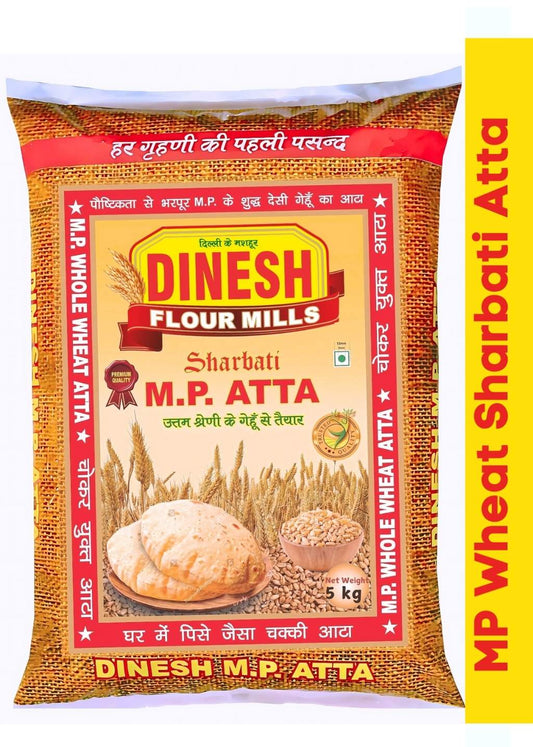
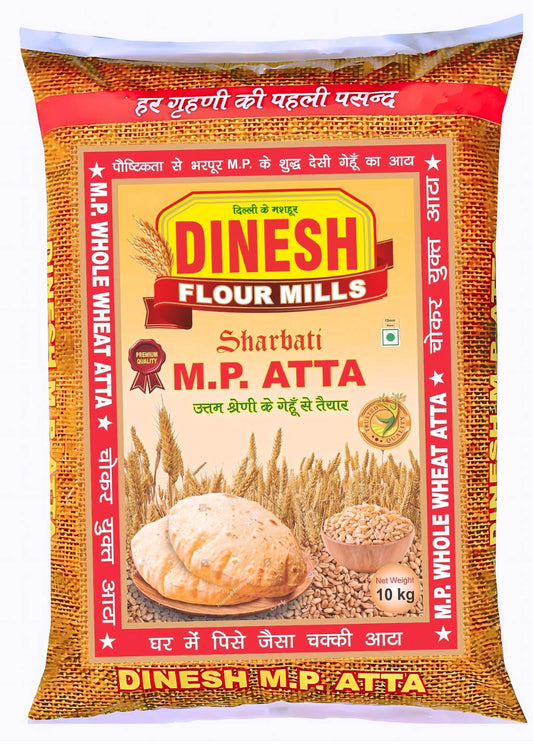
Dinesh Flour Mills MP Sharbati Atta: Benefits, Uses and Everyday Cooking Guide What Is MP Sharbati Atta? MP Sharbati Atta is whole wheat flour prepared from Sharbati wheat sourced from Madhya Pradesh. This wheat variety is commonly selected for everyday Indian cooking because of its familiar wheat taste, smooth flour texture and suitability for traditional flatbreads. Dinesh Flour Mills MP Sharbati Atta is made from 100% whole wheat. The wheat is cleaned, milled and packed for regular household use. Dinesh Flour Mills has been milling atta and traditional flours since 1970, combining established milling experience with present-day cleaning and packing practices. Why Choose Dinesh Flour Mills MP Sharbati Atta? 1. Made From Selected MP Sharbati Wheat The atta is prepared from Sharbati wheat sourced from Madhya Pradesh. The grain selection gives the flour its characteristic colour, texture and wheat flavour. 2. 100% Whole Wheat Atta This is a whole wheat flour rather than a multigrain or blended atta. Customers looking for regular gehun atta can easily understand what they are purchasing. 3. Smooth Dough Preparation The fine flour texture supports smooth dough preparation when water is added gradually and the dough is kneaded properly. Actual water absorption can vary slightly between batches, so it is better to add water in small quantities instead of pouring it all at once. 4. Suitable for Everyday Indian Cooking MP Sharbati Atta can be used for several familiar wheat-based dishes. One packet can support regular meals as well as occasional festive cooking. 5. Available in Family-Friendly Pack Sizes Dinesh Flour Mills MP Sharbati Atta is available in 5 kg and 10 kg packs. The 5 kg pack may suit smaller households, while the 10 kg pack can be convenient for families that prepare wheat-based dishes regularly. Check the current product page for available pack options and prices. What Does MP Sharbati Atta Help With? Without making medical or nutritional promises, MP Sharbati Atta can be useful for practical kitchen needs. It can help with: Preparing smooth whole wheat dough Rolling rotis and chapatis Planning regular family meals Making several dishes from one type of flour Maintaining a familiar wheat taste across everyday recipes Choosing between 5 kg and 10 kg household packs The final texture of a roti also depends on the amount of water, kneading time, dough resting time, rolling thickness and tawa temperature. Popular Uses of MP Sharbati Atta Rotis and Chapatis Use the atta for everyday rotis and chapatis. Add water gradually, knead until the dough comes together and rest it before rolling. Plain and Stuffed Parathas The flour can be used for plain parathas or stuffed versions such as aloo paratha, gobhi paratha, paneer paratha and mixed vegetable paratha. Pooris A slightly firm dough made with MP Atta can be rolled into pooris for family meals or festive occasions. Atta Halwa Whole wheat atta can be roasted with ghee and combined with an appropriate sweetener to prepare traditional atta halwa. Mathri and Homemade Snacks The atta can also be used for mathri, namak para and other wheat-based homemade snacks. How to Prepare Dough With MP Sharbati Atta Place the required quantity of atta in a clean mixing bowl. Add water gradually while mixing. Knead until the dough becomes smooth and manageable. Cover and rest the dough for approximately 10 to 15 minutes. Knead briefly again before making dough portions. Roll and cook on a properly heated tawa. Avoid using excessive dry flour while rolling because it can remain on the cooked roti. Tips for Better Everyday Results Add water gradually because flour absorption can vary. Rest the dough before rolling. Keep the dough covered so that its surface does not dry out. Use a moderately heated tawa. Store the atta away from moisture and strong-smelling ingredients. Use a clean and completely dry spoon. Follow the storage and best-before information printed on the packet. Is MP Sharbati Atta Gluten-Free? No. MP Sharbati Atta is made from wheat and naturally contains gluten. Customers looking specifically for a gluten-free flour should not treat regular wheat atta as a gluten-free product. Always check the ingredients and allergen information printed on the packet. Choosing Between the 5 kg and 10 kg Pack Choose the pack according to household consumption rather than purchasing more atta than you can store properly. A 5 kg pack may be suitable when: Household consumption is moderate Storage space is limited You prefer purchasing atta more frequently A 10 kg pack may be suitable when: Rotis or parathas are prepared regularly The household has more members A clean, dry storage container is available Storage Instructions Keep the packet in a cool and dry place. After opening, close it securely or transfer the atta to a clean, dry and food-appropriate container. Do not mix newly purchased atta with an older batch without first cleaning and drying the container. Follow the best-before date and storage directions printed on the current packet. Frequently Asked Questions Is Dinesh Flour Mills MP Sharbati Atta a whole wheat flour? Yes. The current product information describes it as 100% whole wheat atta prepared from selected MP Sharbati wheat. Can I use MP Sharbati Atta for parathas and pooris? Yes. It can be used for rotis, chapatis, plain or stuffed parathas, pooris and several wheat-based recipes. Does this atta contain wheat? Yes. It is a wheat product and is not gluten-free. Which pack sizes are available? The current website lists 5 kg and 10 kg options. Availability may change, so customers should check the latest product page. How should I store the atta after opening? Keep it properly closed in a cool, dry place. Use a clean, dry container and follow the instructions printed on the packet. Explore Dinesh Flour Mills MP Sharbati Atta Buy MP Sharbati Atta 5 kg Buy MP Sharbati Atta 10 kg Image alt text:  Search tags:

MP Sehori Atta Benefits, Uses and Cooking Guide

Dinesh Flour Mills MP Sehori Atta: Benefits, Uses and Traditional Cooking Guide What Is MP Sehori Atta? MP Sehori Atta is whole wheat flour prepared from wheat sourced from the Sehore region of Madhya Pradesh. It is intended for households that prefer a traditional wheat flavour and slightly firmer dough for everyday Indian cooking. Sehori Atta and Sharbati Atta are both wheat flours, but they are prepared from different wheat varieties. Their flour texture, dough handling and finished roti style can therefore differ. Dinesh Flour Mills cleans, mills and packs MP Sehori wheat using its established flour-milling experience dating back to 1970. Why Choose Dinesh Flour Mills MP Sehori Atta? 1. Prepared From Sehore Wheat The wheat used for Sehori Atta is sourced from the Sehore region of Madhya Pradesh. This gives the atta its familiar, traditional wheat character. 2. Whole Wheat Atta MP Sehori Atta is a regular whole wheat flour rather than a multigrain flour or ready-to-cook masala mixture. It can be used in the same way as everyday gehun atta while offering a different dough and roti character from MP Sharbati Atta. 3. Firm and Manageable Dough The flour is ground to support firm, manageable dough. This can be useful for recipes where the dough needs enough structure for rolling, stuffing or shaping. Water should still be added gradually because absorption may vary slightly between batches. 4. Traditional Roti Texture MP Sehori Atta is suitable for families who prefer slightly thicker rotis with a more rustic, traditional feel. Roti texture will also depend on kneading, resting time, rolling thickness and tawa temperature. 5. Suitable for Different Wheat-Based Recipes Sehori Atta is not limited to rotis. It can be used for chapatis, parathas, pooris and several traditional wheat-based snacks. 6. No Added Preservatives The current MP Sehori Atta packet states “No Preservatives.” Customers should always check the latest physical packet for the current ingredients, declarations and storage directions. What Does MP Sehori Atta Help With? MP Sehori Atta can help with practical cooking requirements, including: Preparing firm whole wheat dough Rolling slightly thicker rotis Holding fillings inside stuffed parathas Making pooris and traditional wheat snacks Adding a traditional wheat taste to everyday meals Choosing a wheat atta with a different character from Sharbati Atta Managing household requirements with 1 kg and 5 kg pack options These are cooking and handling benefits. They should not be interpreted as promises about digestion, weight management, blood sugar, disease prevention or any other medical outcome. Popular Uses of MP Sehori Atta Traditional Rotis Sehori Atta can be used for regular rotis, especially when the family prefers rotis that are slightly thicker and more rustic in texture. Chapatis The flour can be kneaded into manageable dough for everyday chapatis. Keep the dough covered while resting so the surface does not dry out. Stuffed Parathas The firm dough can be useful for stuffed parathas such as: Aloo paratha Gobhi paratha Mooli paratha Paneer paratha Mixed vegetable paratha Avoid adding too much filling, since overfilling can cause the paratha to tear while rolling. Plain Parathas Use MP Sehori Atta for triangular, round or layered plain parathas. Apply oil or ghee according to the recipe and personal preference. Pooris Prepare a firm dough with limited water for pooris. Roll evenly and fry according to your usual cooking method. Traditional Snacks Sehori Atta can also be used in wheat-based recipes such as mathri, namak para and atta biscuits. The recipe may require additional ingredients and different dough consistency. How to Knead MP Sehori Atta Place the required amount of atta in a clean mixing bowl. Add water in small quantities while mixing. Bring the flour together into a firm dough. Knead until the dough becomes manageable. Cover and rest it for approximately 10 to 15 minutes. Knead briefly again before dividing it into portions. Roll according to the thickness required for the recipe. Cook on a properly heated tawa. If the dough feels too firm, add a small amount of water. If it becomes too soft, allow it to rest before adding more dry flour. MP Sharbati Atta vs MP Sehori Atta Point of comparison MP Sharbati Atta MP Sehori Atta Wheat source Sharbati wheat from Madhya Pradesh Wheat from the Sehore region of Madhya Pradesh Dough style Generally smoother and softer Generally firmer and more structured Common roti preference Soft, thinner rotis and phulkas Slightly thicker, traditional rotis Wheat flavour Comparatively mild More traditional and pronounced Common uses Rotis, chapatis, parathas and pooris Rotis, stuffed parathas, pooris and wheat snacks Suitable for Customers preferring smoother everyday rotis Customers preferring a rustic roti style Neither atta needs to be described as universally better. The right choice depends on the dishes prepared and the texture preferred by the household. Available Pack Sizes The current Dinesh Flour Mills product page lists: 1 kg MP Sehori Atta 5 kg MP Sehori Atta The 1 kg pack can be useful for first-time buyers or households with lower consumption. The 5 kg pack may suit families that prepare wheat-based dishes regularly. Check the product page for current availability and pricing. Storage Instructions Store the packet in a cool and dry place. Keep it away from moisture and direct sunlight. Close the packet securely after every use. Use a clean, dry and food-appropriate container when transferring the flour. Avoid mixing a new batch with old atta left inside the container. Use a clean and dry spoon. Follow the best-before and storage information printed on the packet. Frequently Asked Questions Is MP Sehori Atta made from wheat? Yes. It is a whole wheat flour made from wheat sourced from the Sehore region of Madhya Pradesh. Is MP Sehori Atta gluten-free? No. Sehori Atta is made from wheat and naturally contains gluten. Can I use Sehori Atta for stuffed parathas? Yes. Its firm dough character can be suitable for stuffed and plain parathas. What is the main difference between Sehori and Sharbati Atta? Sharbati Atta is generally chosen for smoother, softer rotis. Sehori Atta offers a firmer dough and a more traditional, rustic roti style. Can Sehori Atta be used for pooris? Yes. It can be used to prepare a firm dough for pooris. Which pack sizes are available? The current website lists 1 kg and 5 kg options. Availability can change. Does Sehori Atta help with digestion or medical conditions? This article does not make digestive, medical or disease-related claims. Customers with specific dietary requirements should review the product label and seek appropriate professional advice. Buy Dinesh Flour Mills MP Sehori Atta Explore MP Sehori Atta  

Pro Fiber Atta Benefits, Uses and Phulka Guide

Dinesh Flour Mills Pro Fiber Atta: Benefits, Uses and Thin Phulka Guide What Is Pro Fiber Atta? Dinesh Flour Mills Pro Fiber Atta is a wheat-based flour prepared for households looking for familiar wheat atta with additional fibre declared on the packet. The current product packet and website description state “20% Extra Fiber.” This is information about the product formulation. It should not be interpreted as a promise regarding digestion, weight loss, blood sugar, cholesterol or the prevention or treatment of any medical condition. The atta is stone-ground, prepared without added preservatives and suitable for regular Indian wheat-based dishes. Why Choose Dinesh Flour Mills Pro Fiber Atta? 1. Declared Additional Fibre The packet identifies this product as containing 20% extra fibre. Customers should check the current ingredients list and nutrition panel for complete product information. This makes it easier to select a flour with declared additional fibre without preparing a separate flour mixture at home. 2. Familiar Wheat Atta Format Pro Fiber Atta can be used in familiar wheat recipes. It does not require an entirely different style of cooking. The dough consistency may differ slightly from regular atta, so water should be added gradually. 3. Stone-Ground Flour The current product description identifies Pro Fiber Atta as stone-ground wheat flour. Stone grinding gives the flour its characteristic texture for traditional Indian cooking. 4. Suitable for Thin Rotis and Phulkas When the dough is kneaded to the correct consistency and rolled evenly, Pro Fiber Atta can be used for thin chapatis and puffed phulkas. Puffing also depends on rolling technique, dough resting time and tawa temperature. No atta packet can do all the work while the tawa takes a tea break. 5. Multiple Pack Sizes The current product page lists the following options: 900 g 2 kg 5 kg Customers can choose a pack according to household consumption and available storage space. 6. No Added Preservatives The current packet and product page state that Pro Fiber Atta is prepared without added preservatives. Customers should follow the best-before date and storage directions printed on the individual packet. What Does Pro Fiber Atta Help With? Pro Fiber Atta can help with practical kitchen requirements such as: Selecting wheat atta with declared additional fibre Preparing thin everyday chapatis Making puffed phulkas Preparing dough for plain and stuffed parathas Avoiding the need to mix separate flour ingredients at home Planning regular wheat-based family meals Choosing an appropriate pack size for the household These are cooking and product-selection benefits, not medical outcomes. How to Make Thin and Puffed Phulkas 1. Prepare Medium-Soft Dough Place the required atta in a clean bowl. Add water slowly while mixing. The dough should be soft enough to roll easily but firm enough to hold its shape. Avoid making it sticky. 2. Knead Properly Knead the dough until its surface becomes smoother and more manageable. Cover it and allow it to rest for approximately 15 to 20 minutes. Resting helps the moisture spread more evenly through the dough. 3. Make Small Dough Portions Use smaller dough portions for thin phulkas. Shape each portion into a smooth ball without visible cracks. 4. Roll Evenly Dust the dough lightly and roll it into a thin circle. Pay special attention to the edges because thick edges can prevent even puffing. Avoid using excessive dry flour while rolling. 5. Heat the Tawa Properly The tawa should be properly heated before placing the rolled roti on it. If the tawa is too cool, the roti may dry before it begins to puff. 6. Flip at the Correct Time Place the roti on the hot tawa. When small bubbles begin to appear, flip it. Cook the second side briefly and flip again. Gently press near the edges using a cloth or spatula so steam can move through the roti. If finishing the phulka directly over a flame, use suitable kitchen tongs and follow normal fire-safety precautions. 7. Keep the Phulka Covered Transfer the cooked phulka to a covered container or cloth-lined roti box. This can help prevent it from drying quickly. Other Uses of Pro Fiber Atta Everyday Chapatis Use it for thin or medium-thickness chapatis according to household preference. Plain Parathas The atta can be used for round, triangular or layered plain parathas. Stuffed Parathas Prepare aloo, gobhi, paneer, mooli or mixed-vegetable parathas. Keep the filling dry enough to avoid tearing the dough. Pooris Use a firmer dough with less water when preparing pooris. Homemade Wheat Snacks Pro Fiber Atta may also be used in recipes such as mathri, namak para, atta biscuits and other wheat-based snacks. Does Pro Fiber Atta Require More Water? A flour containing additional fibre may handle water differently from regular wheat atta. However, the exact amount can vary between batches, weather conditions and recipes. The sensible method is simple: add water gradually. Pouring everything at once is how dough becomes a small kitchen emergency. Is Pro Fiber Atta Gluten-Free? No. Pro Fiber Atta is a wheat-based product and naturally contains gluten. Customers looking for a flour made without wheat should choose an appropriately labelled gluten-free product and check its ingredients and allergen information. Storage Instructions Store in a cool and dry place. Keep the flour away from moisture and direct sunlight. Close the packet securely after use. Transfer it to a clean, dry and food-appropriate container when needed. Do not mix a new batch with old flour left inside the container. Always use a dry spoon. Follow the best-before and storage directions on the packet. Frequently Asked Questions What does “20% Extra Fiber” mean? It is a product formulation statement printed on the current packet and product page. Customers should read the nutrition panel and ingredients list for complete details. Does Pro Fiber Atta guarantee better digestion? No medical or digestive result should be guaranteed. Individual dietary needs and responses can differ. Can Pro Fiber Atta make thin phulkas? It can be used for thin phulkas. Successful puffing also depends on soft dough, even rolling and correct tawa temperature. Is Pro Fiber Atta suitable for parathas? Yes. It can be used for plain and stuffed parathas. Does it contain wheat? Yes. It is a wheat-based atta and is not gluten-free. Which pack sizes are available? The current website lists 900 g, 2 kg and 5 kg pack options. Availability may change. Buy Dinesh Flour Mills Pro Fiber Atta Explore Pro Fiber Atta Image alt text:  Search tags:

How to Store Atta, Rice, Dals and Grocery Staples

    How to Store Grocery Staples in an Indian Kitchen Atta, rice, dals, millets, spices and dry fruits require clean handling and appropriate storage after a pack is opened. Good pantry organisation also makes it easier to track quantities and use older products first. Always follow the storage instructions and best-before information printed on the individual product pack. Start with Clean, Dry Containers Containers should be washed, dried completely and checked before use. Remaining moisture can affect dry grocery ingredients. Choose containers with properly fitting lids. Glass, food-grade plastic and suitable metal containers may be used according to household preference. How to Store Atta and Flour Keep wheat atta, millet flour, besan, rice atta and other flours in clean, dry containers away from heat, direct sunlight and moisture. Use a dry spoon. Avoid dipping wet hands or utensils into the container. Write the opening date on a removable label if several flour varieties are stored together. How to Store Rice Keep Basmati Rice, Sella Rice, Brown Rice, Sona Masoori and Kolam Rice in separate containers so the varieties do not get mixed. Store rice away from moisture and strong-smelling household products. Follow any specific storage instructions printed on the pack. How to Store Dals and Pulses Keep Toor Dal, Chana Dal, Moong Dal, Masoor Dal, Urad Dal, Rajma, Lobia and Chana in separate, clearly identified containers. Before refilling a container: Check the remaining quantity. Inspect the container. Clean and dry it when required. Avoid mixing batches without checking them. Place the older stock where it will be used first. How to Store Millets and Whole Grains Jowar, Bajra, Ragi, Foxtail Millet, Kodo Millet and other whole grains should be kept dry and protected from pantry moisture. Millet flour and whole millet are different products. Store and label them separately. How to Store Makhana and Breakfast Products Makhana, poha, daliya, oats, muesli, vermicelli and similar products should be closed properly after each use. A loose lid or open packet can expose the contents to kitchen moisture and surrounding odours. How to Store Spices Store spices in small containers away from steam generated near the cooking area. Use a dry spoon and close the lid after removing the required quantity. Avoid holding an open spice container directly above a steaming pan. How to Store Dry Fruits and Seeds Keep kaju, badam, akhrot, raisins and seeds according to the storage directions on their packs. Storage needs can change with the season, room temperature and product type. Do not provide a general fixed shelf life for every dry fruit or seed. Use the best-before date and storage directions printed on the specific pack. Use the First-In, First-Out Method Place older packs or containers in front and newer purchases behind them. This simple arrangement helps households use products in order. Check pantry quantities before placing another grocery order to avoid unnecessary duplication. When Should a Product Not Be Used? Do not use a grocery product if you notice unexpected moisture, insects, visible spoilage, damaged packaging or an unusual odour. When uncertain, follow the manufacturer’s guidance or discard the affected product. Organise the Dinesh Flour Mills Grocery Range The same storage method can be applied across Dinesh Flour Mills Atta, Rice, Dals, Millets, Breakfast Products, Spices, Makhana, Dry Fruits and Seeds while following each product’s individual pack directions.

Indian Breakfast Staples and Simple Meal Ideas

Everyday Indian Breakfast Staples: What to Keep in Your Pantry Breakfast in an Indian household can range from poha and upma to daliya, vermicelli and sattu preparations. Keeping a few basic ingredients at home makes it easier to rotate familiar recipes without repeating the same dish every day. This guide focuses on how different breakfast staples are commonly used. It does not rank them or make nutritional promises. Poha Poha is flattened rice used in several regional breakfast preparations. It may be cooked with peanuts, mustard seeds, curry leaves, onion, potato, vegetables and lemon. Rinse poha briefly instead of soaking it for too long. The exact method depends on whether the poha is thin, medium or thick. Wheat Daliya Wheat Daliya is broken wheat used for savoury daliya, porridge-style recipes, khichdi and vegetable preparations. It can be cooked in a pot or pressure cooker. Water quantity determines whether the final dish remains separate or develops a softer consistency. Jau Daliya Jau Daliya is broken barley. It can be used in savoury daliya, porridge and mixed-grain preparations. Its cooking time may differ from Wheat Daliya, so check the pack directions instead of using the same method automatically. Oats and Jumbo Oats Oats can be prepared as porridge, savoury oats, cheela batter and selected baked dishes. Jumbo Oats have a larger flake size and may require a different cooking time from smaller flakes. Muesli Muesli is generally served with milk or curd and may also be used as a topping. Check the ingredient list because fruit, nut, seed and sweetener content varies between blends. Chana Sattu Chana Sattu is roasted gram flour. It can be used for: Sattu drink preparations Sattu paratha filling Litti filling Savoury sattu mixtures Traditional regional recipes Season it according to the selected sweet or savoury preparation. Jau Sattu Jau Sattu is roasted barley flour. It is used in traditional drink recipes and selected regional preparations. Chana Sattu and Jau Sattu are different ingredients and should be listed separately in recipes. Suji Suji is commonly used for upma, halwa, cheela, idli-style batter and savoury snacks. Dinesh Flour Mills offers Suji and Moti Suji. Choose according to the texture required in the recipe. Vermicelli Vermicelli can be used for savoury upma-style breakfast or sweet seviyan. Roasting and cooking time depend on whether the vermicelli is pre-roasted. A Seven-Day Breakfast Rotation Monday: Vegetable poha Tuesday: Wheat daliya Wednesday: Suji upma Thursday: Savoury oats Friday: Vermicelli upma Saturday: Sattu paratha Sunday: Family-choice breakfast This is only a planning example and can be adjusted to household preferences. Explore Dinesh Flour Mills Breakfast Products The range includes Poha, Wheat Daliya, Jau Daliya, Oats, Jumbo Oats, Muesli, Chana Sattu, Jau Sattu, Suji, Moti Suji and Vermicelli.

Millet Guide: Jowar, Bajra, Ragi and Other Millets

Millets in the Indian Kitchen: A Practical Cooking Guide Millets have been used in regional Indian kitchens for generations. Depending on the variety, they may be ground into flour, cooked like rice or included in porridge, pulao, khichdi and snack recipes. Each millet behaves differently. Some work well as flour, while others are cooked as whole grains. Jowar Jowar is also known as sorghum. Jowar Atta is commonly used for roti and bhakri. Because it does not develop wheat-like dough elasticity, warm water and careful shaping are often used. Some households combine Jowar Atta with Wheat Atta for easier rolling. Bajra Bajra is also called pearl millet. Bajra Atta is used for roti, bhakri, cheela and regional winter dishes. The dough is usually prepared in smaller portions because millet-flour dough can change as it rests. Ragi Ragi is also known as finger millet or nachni. Ragi Atta can be used for: Ragi roti Dosa and idli batter Porridge Malt-style preparations Cookies and selected baked recipes The recipe determines whether Ragi Atta is used alone or combined with another flour. Foxtail Millet Foxtail Millet can be cooked in pulao, khichdi and other grain-based dishes. Rinse it properly and follow the water ratio given on the pack. Kodo Millet Kodo Millet may be used for khichdi, pulao and porridge-style recipes. Its preparation should be adjusted according to soaking time and the cooking appliance. Little Millet Little Millet can be included in dishes normally prepared with small-grain cereals, including pulao, khichdi and upma-style recipes. Proso and Browntop Millet Proso Millet and Browntop Millet are additional millet varieties used in grain bowls, pulao, khichdi and selected regional preparations. Cooking time and water absorption vary, so follow the directions provided for the specific product. Whole Millet or Millet Flour? Choose millet flour for roti, bhakri, cheela and selected baked dishes. Choose whole millet for pulao, khichdi, porridge and grain-based recipes. A recipe written for millet flour cannot automatically be followed using whole millet, and the reverse is also true. Cooking Tips for Millet Recipes Read the pack directions before cooking. Rinse whole millets carefully. Soak only when required by the recipe. Add water gradually when preparing millet-flour dough. Prepare small dough portions when making bhakri. Do not assume every millet needs the same cooking time. Explore Dinesh Flour Mills Millets and Whole Grains Dinesh Flour Mills offers Jowar, Bajra, Ragi, Foxtail Millet, Kodo Millet, Little Millet, Proso Millet, Browntop Millet, Multi Millet and corresponding flour options.

Indian Dal Guide: Types, Uses and Cooking Tips

Indian Dal Guide: Understanding Common Dal Varieties Dal is both the name of an ingredient category and the finished dish prepared from it. Indian kitchens use split, whole, skinned and unskinned pulses in numerous regional recipes. Different dals have different soaking requirements, cooking times and final textures. This guide explains their common culinary uses without treating one dal as better than another. Toor or Arhar Dal Toor Dal, also called Arhar Dal, is commonly used in everyday dal, sambhar and regional preparations. Dinesh Flour Mills offers Toor or Arhar Dal in big-size and small-size options. The selection depends on household preference and the recipe being prepared. Chana Dal Chana Dal has a firm structure and is used in: Chana dal tadka Lauki chana dal Dal-based fillings Chana dal chutney Selected sweets and snacks Soaking can reduce the cooking time, but the duration depends on the recipe and cooking equipment. Moong Dal Moong is sold in several forms: Moong Dhuli: split and skinned Moong Chilka: split with green skin Moong Sabut: whole green moong Moong Dhuli is used for dal, khichdi and cheela batter. Moong Chilka is used for dal and mixed preparations. Moong Sabut is used for whole-moong curry, sprouts and regional recipes. Masoor Dal Masoor is available as red split masoor and black whole masoor. Red Masoor Dal cooks into a softer consistency and is commonly used for simple dal preparations. Black Masoor is used for whole-lentil curries and recipes requiring a longer cooking time. Urad Dal Urad is available as: Urad Dhuli Urad Chilka Urad Sabut Urad Dhuli is used in dal, dosa batter, idli batter and vada. Urad Chilka is used in household dal preparations. Urad Sabut is commonly used for slow-cooked whole urad recipes and dal makhani-style dishes. Mix Dal Mix Dal combines several dal varieties in one preparation. It can be cooked as a family dal or used for regional mixed-lentil recipes. Since blends vary, check the ingredient list and adjust soaking and cooking accordingly. Basic Dal Cooking Method Sort and inspect the dal. Rinse it with clean water. Soak if required by the recipe. Cook with measured water. Add salt and spices according to the selected preparation. Finish with a tadka if desired. Cooking time depends on the dal variety, soaking time, water quantity and appliance used. Storing Dal at Home Keep dal in clean, dry and airtight containers. Use a dry spoon and avoid mixing a newly opened pack with an older batch before checking both. Follow the best-before and storage directions printed on the product pack. Explore Dinesh Flour Mills Dals and Pulses The range includes Toor or Arhar Dal, Chana Dal, Moong Dhuli, Moong Chilka, Moong Sabut, Masoor Dal, Urad Dhuli, Urad Chilka, Urad Sabut, Moth, Mix Dal, Rajma, Lobia and Chana varieties. Confirm attributes such as “unpolished” from the current individual product pack before using the term in product-specific content.

Types of Rice in India and Their Best Cooking Uses .

Rice changes from one recipe to another. Long-grain rice is commonly selected for biryani and pulao, while medium-grain varieties are often used for everyday meals, curd rice and simple rice preparations. Choosing the right variety helps match the grain, cooking method and final presentation to the dish. Extra-Long Basmati Rice Extra-long Basmati Rice is commonly used for: Biryani Pulao Jeera rice Fried rice Festive rice dishes Rinse the rice gently and soak it before cooking when the recipe requires separate grains. Water quantity and cooking time should be adjusted according to the pack directions and cooking method. Premium and Supreme Basmati Rice Premium, Supreme and Super Basmati Rice are different product categories offered for household rice preparations. They may be used in pulao, steamed rice, jeera rice and family meals. Customers should compare pack information, grain appearance and intended recipe before choosing. Natural Aroma Basmati Rice Natural Aroma Basmati Rice is intended for recipes where the rice itself remains a noticeable part of the dish, including plain steamed rice, pulao and traditional rice combinations. Avoid adding too many strong ingredients when the purpose is to keep the rice flavour central to the recipe. Golden Sella Rice Golden Sella is a parboiled rice with a golden appearance. It is commonly used for biryani, pulao, catering preparations and large family meals. It usually requires proper soaking and measured cooking. Follow the preparation directions provided on the product pack. White Sella Rice White Sella Rice is another parboiled rice variety. It can be used for biryani, pulao and other long-grain rice dishes. Golden Sella and White Sella differ in appearance and processing. The choice depends on the recipe and the presentation preferred. Brown Rice Brown Rice retains its outer bran layer, giving it a different colour and texture from white rice. It generally requires a separate cooking approach and should not automatically be cooked using the same water ratio as white Basmati Rice. Follow the pack directions and adjust according to whether a pressure cooker, pot or rice cooker is being used. Sona Masoori Rice Sona Masoori is a medium-grain rice commonly used in everyday Indian meals. It can be served with dal, sambhar, rasam, kadhi and vegetable curries. It is also used in lemon rice, tamarind rice and curd rice preparations. Kolam Rice Kolam Rice is used for everyday steamed rice, khichdi and regional household preparations. Its grain size and cooked appearance differ from long-grain Basmati Rice. A Simple Rice Selection Guide Choose extra-long Basmati for biryani and presentation-focused dishes. Select Golden or White Sella for recipes that traditionally use parboiled rice. Use Sona Masoori or Kolam for regular meals and regional rice preparations. Brown Rice should be cooked according to its specific pack instructions. Explore the Dinesh Flour Mills Rice Collection Dinesh Flour Mills offers Best Basmati 1-Inch Long Rice, Premium Basmati Rice, Natural Aroma Basmati Rice, Supreme Basmati Rice, Super Basmati Rice, Golden Sella Rice, White Sella Rice, Brown Rice, Sona Masoori Rice, Kolam Rice and Parmal Rice.

A Guide to Indian Atta: Choosing Flour for Everyday Recipes

Indian kitchens use several types of atta, and each one suits a different set of recipes. Wheat atta may be the everyday regular, but traditional recipes also use makki atta, bajra atta, jowar atta, rice atta, ragi atta and besan. Understanding how these flours behave while kneading, rolling and cooking makes it easier to select the right flour for a particular dish. MP Wheat Atta MP Wheat Atta is commonly used for everyday rotis, phulkas, parathas and pooris. Dinesh Flour Mills offers options such as MP Wheat Sharbati Atta, Premium Sehori Atta and Pro Fiber Atta. The amount of water needed for kneading can vary between batches and flour varieties. Add water gradually and allow the dough to rest before rolling. Khapli Atta Khapli is a variety of wheat also known as emmer wheat. Khapli Atta can be used for rotis, parathas and other wheat-based preparations. Its dough may feel different from regular wheat dough, so it is better to begin with a small quantity of water and adjust gradually. Black Wheat Atta Black Wheat Atta is made from a distinct wheat variety with a naturally darker grain colour. It can be used for rotis, parathas and selected baked preparations. Its appearance and dough colour differ from regular wheat atta. Cooking results can also vary according to the recipe and kneading method. Multigrain Atta Multigrain Atta contains a combination of wheat and other grain or pulse flours. The exact blend differs between products, so customers should read the ingredient list on the pack. It can be used for rotis, parathas, cheela-style preparations and savoury dough recipes. Millet Flours Jowar Atta Jowar Atta is commonly used for jowar roti and bhakri. Warm water is often used while preparing the dough because millet dough behaves differently from wheat dough. Bajra Atta Bajra Atta is used for bajra roti, bhakri, savoury cheela and regional winter recipes. Ragi Atta Ragi Atta can be used for ragi roti, dosa batter, idli batter, porridge and selected baked preparations. Other Useful Indian Flours Makki Atta: makki roti and regional maize recipes Rice Atta: modak, dosa batter, snacks and coating Besan: pakora, cheela, kadhi and sweets Chana Atta: rotis, missi atta blends and savoury recipes Jau Atta: barley roti and mixed-flour dough Oats Atta: mixed-flour rotis and savoury preparations Amaranth or Rajgira Atta: vrat recipes and traditional pooris Which Atta Should You Choose? Select atta according to the recipe you plan to prepare. Wheat atta is commonly used for everyday rotis, while millet flours are used for regional flatbreads. Rice atta works well in modak and batter recipes, and besan is suited to cheela, kadhi, pakora and sweets. There is no single flour for every dish. The best choice depends on the recipe, texture required and family preference. Explore Dinesh Flour Mills Atta and Flours The Dinesh Flour Mills range includes MP Wheat Atta, Khapli Atta, Black Wheat Atta, Multigrain Atta, Jowar Atta, Bajra Atta, Ragi Atta, Makki Atta, Rice Atta, Besan, Chana Atta, Jau Atta and other traditional flours. Always check the current product pack for ingredients, preparation guidance and product-specific information.

Dussehra 2026: Traditions, Sweets and Festive Meal Ideas

Dussehra, also known as Vijayadashami, will be celebrated on October 20, 2026. The festival marks the victory of good over evil and concludes the nine-day celebration of Navratri. Across India, Dussehra is observed through different traditions. Ramleela performances and Ravana Dahan are central to celebrations in many parts of North India. In other regions, families perform Ayudha Puja, visit temples, exchange festive greetings and prepare traditional meals. The Meaning of Dussehra Dussehra is closely associated with Lord Rama’s victory over Ravana. Vijayadashami also marks the victory of Maa Durga over Mahishasura. Both traditions carry the same timeless message: truth, courage and good conduct ultimately prevail. It is also a day when many families begin new work, purchase useful items or offer prayers for their tools, books and business equipment. Preparing a Dussehra Family Meal Dussehra food does not need to be unnecessarily complicated. A familiar home-style menu prepared carefully can make the gathering feel complete. A traditional North Indian meal may include: Poori made with wheat atta Jeera rice or festive pulao Chana or family-style dal Seasonal vegetable preparation Suji halwa Besan laddoo Dry fruit garnish Pickle, papad and chutney The menu can be adjusted according to regional preferences and the number of guests. Popular Dussehra Sweet Ideas Besan Laddoo Besan laddoo is prepared by roasting besan slowly in ghee and combining it with boora or sugar, elaichi and chopped dry fruits. Proper roasting gives the laddoo its familiar aroma and texture. Suji Halwa Suji halwa is a dependable festival favourite. Roast suji in ghee, add prepared sugar syrup and cook until the mixture reaches the preferred consistency. Garnish with kaju, badam and elaichi. Atta Halwa Wheat atta can also be roasted with ghee and cooked with water and sugar or jaggery. It works well when you want a simple sweet made with everyday pantry ingredients. Dry Fruit and Makhana Mix Roasted makhana, kaju and badam can be served as part of the festive spread or packed in small boxes for family and guests. Dussehra Pantry Essentials from Dinesh Flour Mills For Dussehra cooking, explore Dinesh Flour Mills MP Wheat Atta, Besan, Suji, Basmati Rice, Dals, A2 Gir Cow Ghee, Boora, Jaggery Powder, Kaju, Badam, Makhana, Elaichi and everyday spices. Since 1970, Dinesh Flour Mills has remained connected to the everyday traditions of Indian kitchens through flours, rice, dals, millets, cooking essentials and festival ingredients. Celebrate with Familiar Traditions Festivals do not need a complete reinvention every year. Bring out the family recipes, prepare the dishes everyone waits for and make enough time to sit together. That is usually where the best part of Dussehra lives: not in an overfilled menu, but in familiar food, family stories and traditions that still feel right. Frequently Asked Questions When is Dussehra in 2026? Dussehra or Vijayadashami will be observed on Tuesday, October 20, 2026. Which sweets are commonly prepared for Dussehra? Besan laddoo, suji halwa, atta halwa, kheer and regional sweets are commonly prepared. What can be included in a simple Dussehra meal? Poori, rice, dal or chana, a seasonal vegetable and one traditional sweet make a practical family menu.

Navratri 2026: Vrat Food Ideas and Pantry Essentials

Shardiya Navratri begins on October 11, 2026, and concludes with Dussehra on October 20. These nine days are dedicated to the nine forms of Maa Durga and are observed through prayer, fasting, temple visits and family traditions. Navratri food practices vary widely. Some people observe a fast on selected days, while others follow vrat food rules for all nine days. Ingredients accepted during the fast also differ between homes, so always follow your family’s customary practice. Prepare Your Navratri Pantry in Advance Festival cooking becomes much easier when basic ingredients are organised before Navratri begins. Check your stock of samak rice, sabudana, makhana, rajgira atta, sendha namak, peanuts, ghee and dry fruits. Store vrat ingredients separately if that is part of your household practice. Clean containers and clearly labelled packs prevent confusion during busy festival days. Easy Navratri Vrat Food Ideas 1. Samak Rice Pulao Cook samak rice with potato, peanuts, jeera, green chilli and sendha namak. Finish with coriander and lemon according to your family’s vrat rules. 2. Sabudana Khichdi Soak sabudana carefully so the pearls remain separate. Cook with roasted peanuts, potato, jeera and sendha namak. The soaking step decides everything. Sabudana remembers every mistake. 3. Roasted Makhana Roast makhana slowly in ghee and season lightly with sendha namak and black pepper if permitted in your household. It can also be combined with chopped kaju and badam. 4. Rajgira Atta Poori Rajgira atta can be combined with boiled potato to prepare a workable dough. Roll carefully and fry in hot oil or ghee. 5. Makhana Kheer Roast makhana in ghee, crush it lightly and simmer it with milk. Add sugar or mishri, elaichi and chopped dry fruits. 6. Sabudana Kheer Cook soaked sabudana in milk and add elaichi, kaju and badam. Serve it warm or chilled according to preference. A Simple Navratri Meal Plan Rotate a few dependable dishes instead of preparing something complicated every day: Samak rice pulao Sabudana khichdi Rajgira poori with potato curry Roasted makhana Makhana or sabudana kheer Fruit and dry fruit platter This keeps the menu varied without turning the kitchen into a nine-day cooking competition. Navratri Essentials from Dinesh Flour Mills Explore Dinesh Flour Mills Samak Rice, Sabudana, Makhana, Rajgira or Amaranth Atta, Sendha Namak, Peanuts, A2 Gir Cow Ghee, Kaju, Badam, Mishri and Elaichi for your Navratri preparations. Always check the individual product label and follow the fasting customs observed by your family. Frequently Asked Questions When does Navratri begin in 2026? Shardiya Navratri begins on Sunday, October 11, 2026. Is regular rice used during Navratri fasting? Regular rice is avoided in many vrat traditions. Samak rice, also known as barnyard millet, is commonly used instead. Practices may vary. Which salt is commonly used in Navratri food? Sendha namak is traditionally used in many Navratri vrat preparations. Can makhana be used during Navratri? Makhana is commonly included in Navratri fasting menus, but household traditions should always be followed.