
Image alt

Blogs and Recipies

Blogs and Recipies

White Sella vs Golden Sella Rice: Differences and Cooking Uses

Choosing between White Sella and Golden Sella rice is easier when you know what the names describe. Both belong to the parboiled rice category. The most visible difference is the colour of the uncooked grains: White Sella looks pale or creamy, while Golden Sella has a golden-yellow appearance. Both can be used for biryani and pulao. Your choice can depend on the look you prefer, the particular pack you are buying and how the rice performs in your recipe. Buy White Sella Rice Buy Golden Sella Rice What does Sella rice mean? Sella is a commonly used name for parboiled rice. In parboiling, paddy is soaked, heat-treated and dried before milling. The International Rice Research Institute describes these stages as soaking, steaming and drying. This processing happens before the rice reaches your kitchen. Sella rice still needs to be cooked; it is not a ready-to-eat rice product. The word Sella describes processing and does not, by itself, identify one rice variety, grain length or grade. White Sella and Golden Sella at a glance Detail White Sella rice Golden Sella rice Uncooked appearance Pale white to creamy Golden-yellow Processing category Parboiled rice Parboiled rice Useful dishes Biryani, pulao and plain rice Biryani and pulao Selection starting point Preference for a paler-looking grain Preference for a golden-looking grain Cooking approach Follow pack directions and check doneness Follow pack directions and check doneness Colour alone does not tell you how aromatic a rice is, how old it is or exactly how long it will take to cook. Those details depend on the particular rice and its processing and storage history. When to choose White Sella rice Dinesh Flour Mills White Sella Rice is an option for cooks who prefer a pale-looking grain for rice dishes. Try it with a vegetable pulao, a layered biryani or a simple rice-and-dal meal. When cooking a plain rice side, you can judge the grain's texture without a thick gravy around it. Make a small batch first and note when the centre becomes tender. That gives you a useful starting point for the next time you cook the same pack. When to choose Golden Sella rice Dinesh Flour Mills Golden Sella Rice is another option for biryani and pulao, especially if you enjoy the appearance of golden grains. Its product page describes cooked grains that remain separated and firm when prepared appropriately. As with any rice, the final texture depends on the cooking method. Overcooking, too much liquid or repeated stirring can change the result. Choose by the dish and the finish you enjoy, rather than assuming that one colour is automatically the better grade. A practical cooking method for either type Read the pack instructions first. Use the same measuring cup for rice and water whenever you follow an absorption recipe. Rinse the rice gently. Avoid rubbing or handling the grains roughly. Follow the recommended soaking instructions. If you soak the rice, remember that soaked and unsoaked rice may cook differently. Choose one method: measured-water absorption or boiling in excess water and draining. Water ratios from one method cannot be carried over directly to the other. Check a grain as it cooks. For rice served immediately, look for a tender centre. For dum biryani, follow the recipe's instruction for partially cooking the rice before layering. Let fully cooked rice rest briefly, then lift and separate it gently with a fork or wide spoon. Keep a small note of your successful soaking time, pot, water quantity and heat setting. This is particularly helpful when cooking a larger family portion later. Frequently asked questions Is Sella rice already cooked? It has undergone parboiling during processing, but the dry rice you buy still requires cooking. Can I use Golden Sella rice for vegetable pulao? Yes. It is one of the uses listed for the Dinesh Flour Mills product. Adjust the recipe to the pack directions and account for liquid released by vegetables. Is there one water ratio for all Sella rice? No. The rice, soaking, pot and cooking method all matter. Use the pack or recipe as your starting point and record what works in your kitchen. Choose your rice Explore White Sella Rice and Golden Sella Rice from Dinesh Flour Mills. Check the current pack options on each product page and choose the rice that suits your next biryani, pulao or everyday meal.

Which Atta to Choose for Roti, Poori and Paratha?

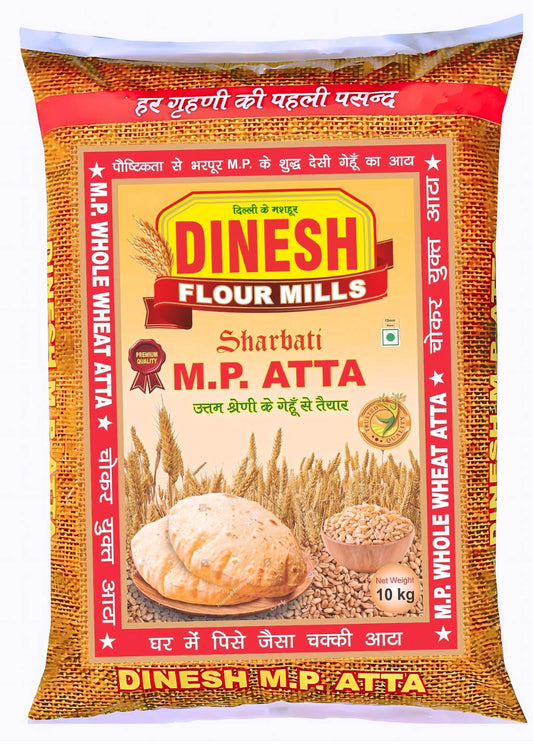
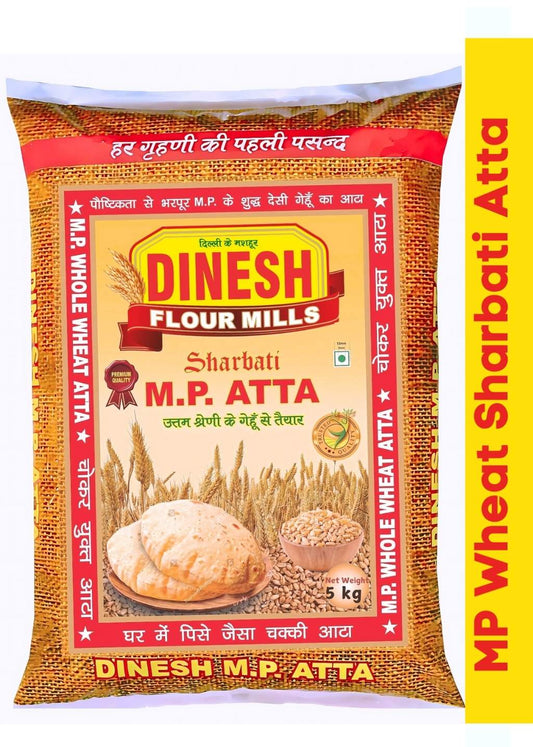
A weekday phulka, a crisp poori and a stuffed paratha each ask something different of your dough. Choosing atta becomes easier when you begin with the dish you want to cook, then adjust the water, resting time and rolling technique. At Dinesh Flour Mills, our range includes MP Sharbati whole wheat atta, stoneground Khapli atta and Bedmi Atta Masala Mix. Here is a practical way to choose between them for your kitchen. Buy MP Sharbati Atta 5 kg Buy Khapli Atta A quick atta selection guide What you are making A practical flour choice What to focus on Everyday roti or chapati MP Sharbati whole wheat atta Soft dough, a covered rest and even rolling Plain poori MP Sharbati whole wheat atta A firmer dough and steady frying heat Plain or stuffed paratha MP Sharbati or Khapli atta Pliable dough and a cool, fairly dry filling Bedmi poori Bedmi Atta Masala Mix The seasoned blend and its preparation instructions For everyday rotis and phulkas MP Sharbati atta is a useful starting point when you want one flour for regular wheat rotis. Our MP Sharbati Atta 5 kg is prepared from selected Madhya Pradesh Sharbati wheat and is also suitable for chapatis, parathas and pooris. Add water gradually until the dough feels soft and manageable. Cover it so the surface does not dry out while it rests. When rolling, use only enough dry flour to stop sticking, then cook on a properly preheated tawa. Flour choice matters, but a very dry dough or prolonged cooking can still produce hard rotis. For plain pooris You can use the same whole wheat atta for plain pooris, with a different approach to the dough. Keep it firmer than your roti dough so the discs hold their shape during rolling and frying. Roll each poori evenly, keeping the centre and edges at a similar thickness. Shake off loose flour before frying, or use a light touch of oil while rolling. Fry in small batches so you can manage the heat and turn each poori comfortably. For stuffed parathas Both MP Sharbati atta and Khapli atta can be used for parathas. Choose MP Sharbati for a familiar wheat base, or try Khapli when you want its mildly nutty character. A soft, pliable dough makes enclosing the filling easier. Let cooked fillings cool, drain excess moisture from grated vegetables, and avoid overfilling your first few parathas. If the dough tears, try a smaller filling portion before changing the flour. For a traditional Bedmi breakfast Bedmi Atta Masala Mix is the convenient choice when you specifically want Bedmi pooris. The product combines wheat, urad dal and spices, so the recipe begins with a prepared blend. Follow the pack directions for kneading and resting. Serve the pooris hot with aloo ki sabzi, pickle or raita. Because the mix is already seasoned, check the label before adding more salt or spices. Buy Bedmi Atta Masala Mix How much atta should you order? Think about how often your household makes wheat breads and how much dry storage space you have. If you are trying a different flour, begin with a smaller available pack and cook a few familiar dishes with it. This helps you learn how the dough feels before you make a larger purchase. Keep the pack information after transferring flour to a container, and follow its storage and date instructions. A well-organised flour shelf makes daily cooking much easier. Frequently asked questions Can one atta work for roti, poori and paratha? Yes. A whole wheat atta such as MP Sharbati can be used for all three. Change the dough consistency and cooking method to suit the bread. Is Bedmi Atta the same as plain wheat atta? No. Bedmi Atta Masala Mix is a seasoned blend for Bedmi pooris. Plain whole wheat atta is the more flexible choice when you want to control every ingredient yourself. Can I make parathas with Khapli atta? Yes. Start with a familiar recipe, add water gradually, and adjust the dough by feel. Flour texture and the moisture in the filling both affect how it rolls. Shop atta for your next meal Choose MP Sharbati Atta for everyday wheat breads, Khapli Atta for an emmer wheat option, or Bedmi Atta Masala Mix for a traditional poori breakfast. Dinesh Flour Mills has been part of Indian kitchens since 1970.

Missi Atta Uses, Roti Recipe and Cooking Guide | DFM

Why Dinesh Flour Mills Missi Atta Is Useful: Uses, Roti Recipe and Cooking Guide Missi atta is a traditional flour blend associated particularly with Punjabi cooking. Dinesh Flour Mills Missi Atta combines wheat flour and chana besan, bringing together the familiar handling of wheat dough and the distinctive flavour and golden colour of gram flour. It can be used for thin missi phulkas, classic Punjabi missi roti, parathas, cheela and several savoury preparations. Buy Dinesh Flour Mills Missi Atta Online What Is Missi Atta? Missi atta is a blend of wheat flour and chana besan. It has a warmer golden colour and a more pronounced flavour than ordinary wheat flour. The Dinesh Flour Mills product page identifies Missi Atta as prepared fresh and currently lists it in a 900 g pack. Kitchen Benefits of Dinesh Flour Mills Missi Atta Ready Flour Blend The wheat flour and chana besan are already combined, saving the effort of measuring and mixing both flours separately. Traditional Missi Roti Flavour Chana besan gives the flour its recognisable colour, aroma and mildly nutty gram-flour taste. Works With Different Seasonings Missi atta can be combined with ingredients such as: Ajwain Jeera Coriander Kasuri methi Onion Green chilli Red chilli powder Turmeric Anardana powder Seasonings should be added according to the recipe and personal taste. Suitable for Several Recipes The flour can be used for: Thin missi phulkas Punjabi missi roti Missi paratha Missi cheela Savoury pancakes Selected pakora batters Savoury crackers Homemade bread preparations How to Make Thin and Fully Puffed Missi Atta Phulkas Classic missi roti often contains chopped onion, coriander and spices. That version is flavourful, but the chopped ingredients can make complete puffing more difficult. For thin and fully puffed missi phulkas, prepare a plain dough or use only finely ground spices. Ingredients 1 cup Dinesh Flour Mills Missi Atta Lukewarm water as required A pinch of salt, if preferred ¼ teaspoon ajwain, if preferred Method Place the Missi Atta in a wide mixing bowl. Add salt and finely crushed ajwain if desired. Add lukewarm water gradually. Knead for approximately 7 to 8 minutes until the dough is smooth and pliable. If the dough feels dry or cracks, wet your fingers and continue kneading. Cover and rest the dough for 15 to 20 minutes. Knead it briefly again after resting. Divide it into small, evenly sized portions. Roll each portion into a very thin and evenly shaped phulka. Place it on a properly heated tawa. Turn it when small bubbles begin appearing. Cook the second side briefly. Finish carefully over a direct flame or press gently on the tawa until it puffs. For proper puffing, keep chopped onion, green chilli and coriander out of this version. Serve them separately or use them for classic missi roti. How to Make Traditional Punjabi Missi Roti Ingredients 1 cup Dinesh Flour Mills Missi Atta 2 tablespoons finely chopped onion 1 tablespoon chopped coriander Finely chopped green chilli, if preferred ¼ teaspoon ajwain Salt and spices according to taste Water as required Ghee or oil for cooking, if preferred Method Combine Missi Atta with onion, coriander, chilli, ajwain and preferred spices. Add water gradually and prepare a soft dough. Rest the dough for 15 minutes. Divide it into equal portions. Roll each portion carefully using a small amount of dry flour. Cook both sides on a hot tawa. Apply a small amount of ghee or oil if preferred. Serve hot with curd, pickle, chutney or a suitable vegetable dish. A missi roti containing onion and herbs may not puff completely. That is normal and does not indicate incorrect cooking. Missi Atta Cooking Guide Preparation Recommended Method Thin puffed phulka Use plain dough with finely ground spices Punjabi missi roti Add finely chopped onion, coriander and spices Missi paratha Prepare a slightly firmer dough and cook with oil or ghee Missi cheela Make a smooth, pourable batter with vegetables and spices Savoury crackers Follow a tested baking recipe Pakora-style batter Add water gradually and test the coating consistency Other Ways to Use Missi Atta Missi Paratha Prepare the dough with spices, kasuri methi or coriander. Roll slightly thicker than a phulka and cook on a tawa with oil or ghee. Missi Cheela Mix Missi Atta with water to prepare a smooth batter. Add finely chopped onion, coriander and preferred spices. Rest the batter briefly and adjust the water before cooking. Savoury Crackers Use Missi Atta in a tested cracker recipe with ajwain, jeera or kasuri methi. Baking time may vary according to thickness. Pakora-Style Batter Missi Atta can be used in selected savoury coating batters. Since it contains wheat flour as well as chana besan, its texture will differ from pakoras prepared entirely with besan. Homemade Savoury Bread A measured quantity of Missi Atta can be used in a tested bread recipe. Follow the recipe’s liquid, yeast and resting instructions because flour blends absorb water differently. Common Mistakes to Avoid Adding Too Much Water Immediately Add water gradually. A sticky dough is more difficult to roll into thin rotis. Using Large Onion Pieces Large pieces can tear the dough while rolling. Chop onion, chilli and herbs very finely. Skipping the Resting Time Resting makes the dough easier to handle and allows the flour to absorb moisture evenly. Rolling Unevenly A thick centre or thick edges can prevent the phulka from puffing. Roll it evenly from the centre towards the edges. Cooking on a Cold Tawa The tawa should be properly heated before placing the roti on it. A cold surface may make the roti dry before it begins puffing. Is Missi Atta the Same as Besan? No. Besan is gram flour, while Missi Atta is a blend that commonly includes wheat flour and chana besan. Dinesh Flour Mills Missi Atta is described on the official product page as a mixture of chana besan and wheat flour. Is Dinesh Flour Mills Missi Atta Gluten-Free? No. The product information states that the blend contains wheat flour. It should not be presented or purchased as a gluten-free flour. Customers avoiding wheat or gluten for medical reasons should check the latest ingredient and allergen information printed on the packet. Storage Instructions Transfer the flour into a clean, dry and airtight container after opening. Keep it away from heat, moisture and direct sunlight. Always use a dry spoon. Close the container immediately after use. Follow the best-before and storage instructions printed on the packet. Frequently Asked Questions Does Missi Atta Already Contain Spices? The flour is described as a wheat flour and chana besan blend. Check the current ingredient list to confirm whether any spices are included. Additional spices, onion and herbs can be added according to taste. Can Missi Atta Make Fully Puffed Phulkas? Yes, a plain Missi Atta dough can be rolled into thin phulkas. Avoid chunky onion and herbs when complete puffing is the main goal. What Can Be Served With Missi Roti? Missi roti can be served with curd, pickle, chutney, dal, paneer dishes or seasonal vegetables. Is Missi Atta the Same as Chana Atta? No. Chana atta is chickpea-based flour, while Missi Atta is a prepared blend containing wheat flour and chana besan. Which Pack Size Is Available? The official Dinesh Flour Mills Missi Atta page currently lists a 900 g pack. Availability and pricing may change. Bring Traditional Missi Roti Flavour to Your Kitchen Dinesh Flour Mills Missi Atta is a convenient wheat and chana besan blend for preparing thin phulkas, traditional Punjabi missi roti, parathas and savoury batters. Keep the dough plain for fully puffed phulkas or add finely chopped onion and spices for classic missi roti. Purchase Dinesh Flour Mills Missi Atta from the Official Website

Oats Atta Uses, Recipes and Mixing Tips | DFM

Why Dinesh Flour Mills Oats Atta Is Useful: Uses, Mixing Tips and Recipes Oats atta is finely ground oats flour with a mild flavour and smooth texture. Dinesh Flour Mills Oats Atta can be used for wheat-blended phulkas, parathas, cheelas, dosas, pancakes, biscuits, muffins and other traditional or modern recipes. Since oats atta behaves differently from wheat flour, using the correct mixing ratio is important when preparing thin, soft and fully puffed phulkas. Buy Dinesh Flour Mills Oats Atta Online What Is Oats Atta? Oats atta is flour prepared by finely grinding oats, botanically known as Avena sativa. It has a light cream colour, mild oat flavour and a texture that blends easily into doughs and batters. The official product page describes Dinesh Flour Mills Oats Atta as freshly prepared, stone-ground oats flour with no preservatives and no added colour. Why Is Dinesh Flour Mills Oats Atta Useful? Adds Oats to Familiar Recipes Oats atta can be mixed into familiar wheat flour recipes without requiring a completely different cooking method. Begin with a smaller quantity and increase it gradually according to taste. Suitable for Indian and Modern Cooking It can be included in: Wheat-oats phulkas Oats parathas Oats cheela Oats dosa Savoury pancakes Biscuits and crackers Muffins and cakes Homemade bread Selected snack preparations Has a Mild Flavour The mild taste allows oats atta to work with savoury ingredients such as onions, coriander and spices, as well as sweet baking ingredients. Blends Smoothly Into Batters Oats atta can be incorporated into dosa, pancake and cheela batters. Water should be added gradually because the flour may continue absorbing moisture after mixing. Prepared for Convenient Everyday Use Using ready-to-cook oats flour saves the step of grinding oats at home. The required amount can be measured directly for dough, batter or baking recipes. How to Make Thin and Fully Puffed Oats Atta Phulkas Pure oats atta does not develop the same elastic dough structure as wheat atta. Therefore, rotis made entirely from oats atta can be difficult to roll thinly and may not puff like regular wheat phulkas. For attractive, thin and fully puffed phulkas, blend oats atta with wheat atta. Suggested Starting Ratio ¾ cup wheat atta ¼ cup Dinesh Flour Mills Oats Atta Lukewarm water as required A pinch of salt, if preferred A small amount of ajwain, if preferred One part oats atta to three or four parts wheat atta is a practical starting ratio. It can be adjusted according to flavour preference and dough handling. Method Combine the wheat atta and oats atta evenly. Add lukewarm water gradually while bringing the flour together. Knead for approximately 7 to 8 minutes. The dough should be soft and pliable, but not sticky. Cover it and allow it to rest for 15 to 20 minutes. Knead briefly again after resting. Divide the dough into small and evenly sized portions. Roll each portion into a very thin phulka of even thickness. Place it on a properly heated tawa. Turn it when small bubbles begin appearing. Cook the second side briefly. Finish it carefully over a direct flame or press gently on the tawa until it puffs. Avoid rolling the centre too thin while leaving thick edges. An evenly rolled phulka is more likely to puff properly. Oats Atta Mixing Guide Preparation Suggested Use Thin puffed phulkas Start with 1 part oats atta and 3 parts wheat atta Oats paratha Blend with wheat atta and add preferred vegetables or spices Oats cheela Prepare a smooth, pourable batter Oats dosa Add to a suitable dosa batter or follow a tested oats dosa recipe Biscuits and crackers Replace a measured portion of regular flour Muffins and cakes Combine with the flour mentioned in a tested recipe Homemade bread Use as part of the total flour quantity These are practical starting suggestions. Exact quantities can vary between recipes. Popular Ways to Use Oats Atta Oats Atta Phulka Mix oats atta with wheat atta for easier kneading, rolling and puffing. Keep the dough soft and roll each phulka thinly and evenly. Oats Vegetable Cheela Combine oats atta with water, chopped onions, coriander and preferred spices. Rest the batter briefly before checking its consistency again. Oats Dosa Add oats atta to a suitable dosa batter. Spread it thinly on a properly heated tawa and cook until the edges release. Savoury Oats Pancakes Prepare a smooth batter using oats atta, vegetables, herbs and spices. Cook smaller pancakes so they turn easily without breaking. Oats Paratha Blend oats atta with wheat flour and prepare the dough using water. Add spices or a suitable vegetable filling according to preference. Oats Biscuits and Crackers Replace a measured portion of regular flour with oats atta in a tested recipe. Using only oats flour may change the structure, spreading and crispness. Oats Muffins or Cakes Oats atta can be combined with other recipe ingredients for baking. Follow a tested formula because different flours absorb liquid differently. Common Mistakes to Avoid Using Too Much Oats Atta Initially A very high proportion can make the dough difficult to roll. Begin with 20 to 25 percent oats atta when making phulkas. Adding All the Water at Once Add water gradually. Oats atta may continue absorbing water while the dough rests. Skipping the Resting Time Resting gives the flour time to absorb moisture and makes the wheat-blended dough easier to handle. Rolling Thick Phulkas Thick rotis may cook unevenly and are less likely to puff properly. Keep the thickness even from the centre to the edges. Cooking on a Cold Tawa A properly heated tawa helps the phulka cook and puff without becoming dry. Storage Instructions Transfer the flour into a clean, dry and airtight container after opening. Store it away from moisture, heat and direct sunlight. Always use a dry spoon. Close the container immediately after use. Follow the storage and best-before instructions printed on the packet. Frequently Asked Questions Can Oats Atta Be Used Alone for Rotis? Pure oats atta can be used in suitable recipes, but the dough may be difficult to roll and puff. Mixing it with wheat atta is more convenient for thin and fully puffed phulkas. What Is a Good Mixing Ratio for Beginners? Start with one part oats atta and three or four parts wheat atta. Increase the oats atta gradually if the dough remains easy to roll. Can Oats Atta Be Used for Cheela and Dosa? Yes. It can be used in savoury cheela, pancake and dosa preparations. Adjust the water after allowing the batter to rest for a few minutes. Is Oats Atta Suitable for Baking? Oats atta can be included in biscuits, crackers, muffins, cakes and breads. Follow a tested recipe because it behaves differently from regular wheat flour. Is Dinesh Flour Mills Oats Atta Gluten-Free? Oats themselves do not naturally contain wheat gluten. However, oats may come into contact with wheat during processing or packing. Customers avoiding gluten for medical reasons should check the current packet for certification and allergen information or contact the manufacturer before purchasing. Does It Contain Preservatives or Added Colour? The current official product information states no preservatives and no added colour. Customers should verify the latest information printed on the packet received. Which Pack Sizes Are Available? The official Dinesh Flour Mills Oats Atta page currently lists 900 g and 2 kg packs. Availability and prices may change. Add Oats Atta to Everyday Cooking Dinesh Flour Mills Oats Atta provides a convenient way to prepare wheat-oats phulkas, parathas, cheelas, dosas and baked recipes. For thin and properly puffed phulkas, begin with a smaller proportion of oats atta, use soft dough and roll every portion evenly. Purchase Dinesh Flour Mills Oats Atta from the Official Website

Ragi Atta Uses, Recipes and Mixing Tips | DFM

Why Dinesh Flour Mills Ragi Atta Is Useful: Uses, Mixing Tips and Recipes Ragi atta, also known as finger millet flour, is recognised by its earthy flavour, smooth texture and naturally deeper colour. Dinesh Flour Mills Ragi Atta can be used in traditional preparations such as ragi roti, dosa and porridge, as well as pancakes, biscuits and other modern recipes. It can also be combined with wheat atta to prepare thin, soft and fully puffed phulkas with a pleasant ragi flavour. Buy Dinesh Flour Mills Ragi Atta Online What Is Ragi Atta? Ragi Atta is flour prepared from finger millet. It is also called Nachni, Mandua, Nagli and Kelvaragu in different parts of India. The flour has a fine texture, an earthy aroma and a light cocoa-brown appearance. Its distinctive taste works well in both savoury and mildly sweet recipes. Why Is Dinesh Flour Mills Ragi Atta Useful? Brings Traditional Ragi Flavour to Everyday Meals Ragi atta adds a recognisable earthy taste and deeper colour to rotis, dosas, cheelas, porridge and baked preparations. Suitable for Several Recipes One packet can be used for different preparations, including: Ragi-wheat phulkas Traditional ragi rotis Ragi dosa Ragi idli Ragi pancakes Ragi porridge Ragi biscuits and crackers Ragi bread and cakes Murukku and savoury snacks Can Be Mixed With Wheat Atta Ragi atta does not develop the same stretchy dough structure as wheat flour. Mixing it with wheat atta makes the dough easier to knead, roll and puff on the tawa. Convenient for Traditional and Modern Cooking Ragi atta works with familiar Indian recipes while also being suitable for pancakes, cookies, crackers and other contemporary preparations. No Preservatives Stated on the Packet The current Dinesh Flour Mills Ragi Atta packet states “No Preservatives.” Customers should check the latest packet received for updated ingredient, allergen and storage information. How to Make Thin and Fully Puffed Ragi Atta Phulkas For thin phulkas that roll easily and puff properly, start by mixing ragi atta with wheat atta. Suggested Starting Ratio ¾ cup wheat atta ¼ cup Dinesh Flour Mills Ragi Atta Lukewarm water as required A pinch of salt, if preferred A small amount of ajwain, if preferred This ratio is a practical starting point. It can be adjusted according to the preferred ragi flavour and the handling of the dough. Method Mix the wheat atta and ragi atta thoroughly. Add lukewarm water gradually while bringing the flour together. Knead for approximately 7 to 8 minutes until the dough becomes smooth and pliable. Cover the dough and allow it to rest for 15 to 20 minutes. Divide it into small, evenly sized portions. Roll each portion into a thin phulka of even thickness. Place the phulka on a properly heated tawa. Turn it when small bubbles begin appearing. Cook the second side briefly. Finish it over a direct flame or press gently with a clean cloth or spatula until it puffs. Avoid using too much dry flour while rolling. Excess flour can burn on the tawa and may prevent even cooking. Can Pure Ragi Atta Make Puffed Phulkas? Pure ragi atta can be used for traditional ragi rotis, but it does not behave like wheat dough. Traditional pure ragi rotis are commonly prepared using hot water and are shaped by hand rather than rolled like ordinary wheat phulkas. For very thin, soft and fully puffed phulkas, combining ragi atta with wheat atta is the easier and more reliable method. Popular Ways to Use Ragi Atta Ragi Atta Roti Combine ragi atta with wheat atta for easier rolling. Add salt, ajwain or finely chopped herbs according to preference. Traditional Ragi Roti Mix ragi atta with hot water to form a soft dough. Shape it carefully by hand and cook it on a hot tawa. Follow a tested recipe because the required water quantity can vary. Ragi Dosa Mix ragi atta with rice flour, curd or a suitable dosa batter. Add spices, onion and coriander if preferred. Spread the batter thinly on a hot tawa. Ragi Pancakes Prepare a smooth batter using ragi atta, water or milk and the preferred savoury or sweet ingredients. Cook small pancakes on a lightly greased pan. Ragi Porridge Cook ragi atta with water or milk while stirring continuously. The consistency can be adjusted depending on whether a thin or thick preparation is preferred. Ragi Biscuits and Crackers Replace a measured portion of regular flour with ragi atta in a tested biscuit or cracker recipe. Begin with a smaller quantity to understand its flavour and texture. Ragi Idli Ragi atta can be added to a suitable idli batter. Follow a tested recipe for the correct fermentation time and batter consistency. Ragi Atta Mixing Guide Preparation Suggested Ragi Atta Use Thin puffed phulka Start with 1 part ragi atta and 3 parts wheat atta Ragi-flavoured paratha Mix with wheat atta according to taste Traditional ragi roti Use pure ragi atta with an appropriate hot-water method Dosa or cheela Prepare a pourable batter with suitable ingredients Biscuits or crackers Replace a measured portion of regular flour Porridge Cook directly with water or milk while stirring These are practical cooking suggestions. Exact quantities should be adjusted according to the recipe and preferred texture. Storage Instructions Transfer the flour to a clean and dry airtight container after opening. Keep it away from moisture, heat and direct sunlight. Always use a dry spoon. Close the container properly after every use. Follow the best-before and storage instructions printed on the packet. Frequently Asked Questions Is Ragi Atta the Same as Finger Millet Flour? Yes. Ragi atta is commonly known as finger millet flour. It also has different regional names, including Nachni and Mandua. Can Ragi Atta Be Mixed With Regular Wheat Atta? Yes. Mixing ragi atta with wheat atta makes the dough easier to knead and roll. It is also a practical method for preparing thin and puffed phulkas. What Ratio Should Beginners Use? Beginners can start with one part ragi atta and three or four parts wheat atta. The quantity can be increased gradually according to taste and dough handling. Does Ragi Atta Taste Like Wheat Atta? No. Ragi atta has a more pronounced earthy flavour and produces darker rotis than regular wheat atta. Is Dinesh Flour Mills Ragi Atta Gluten-Free? Ragi grain does not naturally contain gluten. However, customers avoiding gluten for medical reasons should check the current packet for allergen and cross-contact information or contact the manufacturer before purchasing. Does the Product Contain Preservatives? The current packet states “No Preservatives.” Check the packet received for the latest product information. Which Pack Sizes Are Available? The official Dinesh Flour Mills Ragi Atta page currently lists 900 g and 2 kg options. Pack availability and prices may change. Add Ragi Atta to Traditional and Everyday Recipes Dinesh Flour Mills Ragi Atta can be used for rotis, dosas, pancakes, porridge, idlis, crackers and baked preparations. For attractive thin and fully puffed phulkas, begin with a smaller amount of ragi atta blended with wheat atta and adjust the proportion gradually. Purchase Dinesh Flour Mills Ragi Atta from the Official Website

Chana Atta: Uses, Recipes and Mixing Guide | DFM

Dinesh Flour Mills Chana Atta: Uses, Mixing Tips and Recipe Guide Chana atta is a versatile chickpea-based flour that brings a distinctive earthy flavour and pale yellow colour to everyday recipes. Dinesh Flour Mills Chana Atta can be used for chana rotis, cheela, pakoras, dhokla, savoury snacks and several traditional preparations. It can also be combined with wheat atta when you want dough that is easier to roll into thin, soft and puffed phulkas. Buy Dinesh Flour Mills Chana Atta Online What Is Chana Atta? Chana atta is flour prepared from chickpeas. Its characteristic flavour makes it suitable for both everyday meals and traditional Indian snacks. The current Dinesh Flour Mills packet describes the product as having no preservatives. Customers should always check the latest packet label for ingredient, allergen, storage and best-before information. Why Is Chana Atta Useful in the Kitchen? Chana atta is useful because one flour can be included in several different recipes. Adds Chickpea Flavour It gives rotis, cheelas and savoury snacks a distinctive chickpea taste. The quantity can be adjusted according to the flavour preferred by your family. Helps Prepare Savoury Batters Chana atta can be mixed with water, spices and vegetables to prepare batter for cheela, pakoras and other snacks. Helps With Binding and Coating Its batter can help coat sliced vegetables before frying or cooking. The thickness of the batter can be adjusted by gradually adding water. Can Thicken Selected Recipes A small amount may be used to add body to suitable curries and soups. Mix it with cool water first to reduce the possibility of lumps. Blends With Wheat Atta Chana atta can be combined with regular wheat atta for rotis and phulkas. This gives the dough a chickpea flavour while retaining the familiar handling qualities of wheat dough. How to Make Thin and Fully Puffed Chana Atta Phulkas Pure chana atta does not form the same stretchy dough structure as wheat atta. Therefore, making very thin and fully puffed phulkas entirely from chana atta can be difficult. For easier rolling and puffing, use this practical starting ratio: ¾ cup wheat atta ¼ cup Dinesh Flour Mills Chana Atta Lukewarm water as required A small pinch of salt, if preferred Ajwain, if preferred Method Combine the wheat atta and chana atta evenly. Add lukewarm water gradually and begin forming the dough. Knead for approximately 7 to 8 minutes until the dough feels smooth and pliable. Cover and rest the dough for 15 to 20 minutes. Divide it into small, evenly sized portions. Roll each portion into a thin and evenly shaped phulka. Place it on a properly heated tawa. Turn it when small bubbles begin appearing. Cook the second side briefly, then puff it carefully over a direct flame or with gentle pressure on the tawa. The exact quantity of water and chana atta may be adjusted depending on the wheat flour, kitchen temperature and preferred taste. Popular Uses of Chana Atta Chana Atta Roti Blend chana atta with wheat atta, water and optional spices. The wheat flour makes the dough easier to roll while chana atta contributes its characteristic flavour. Chana Cheela Prepare a smooth batter using chana atta, water, onion, coriander and preferred spices. Spread it thinly on a hot tawa and cook both sides. Pakoras Use chana atta to prepare a coating batter for onions, potatoes, paneer or seasonal vegetables. Dhokla Chana atta may be used in suitable dhokla recipes. Follow a tested recipe for the correct batter consistency, fermentation or leavening method and steaming time. Savoury Biscuits and Crackers A measured quantity can be added to savoury biscuit, mathri or cracker dough for additional chickpea flavour. Curry or Soup Thickening First make a lump-free slurry with cool water. Add it gradually to the recipe while stirring continuously. Chana Atta and Besan: Are They the Same? Both chana atta and besan are chickpea-based flours. However, the chickpea variety, processing method and grind may differ between products and manufacturers. For accurate information, check the ingredient description and usage instructions printed on the individual packet. Storage Instructions For maintaining the product’s normal texture and aroma: Transfer the flour to a clean, dry and airtight container after opening. Store it away from moisture, heat and direct sunlight. Always use a dry spoon. Close the container immediately after use. Follow the storage and best-before instructions printed on the packet. Frequently Asked Questions Can Chana Atta Be Used Alone for Rotis? It can be used in suitable recipes, but pure chana atta dough is usually more difficult to roll and puff than wheat dough. Mixing it with wheat atta is a convenient option for softer, thinner and more manageable rotis. What Is a Good Chana Atta to Wheat Atta Ratio? One part chana atta to three or four parts wheat atta is a practical starting point. You can adjust the ratio according to flavour preference and dough handling. Can I Use Chana Atta for Cheela? Yes. It can be mixed with water, spices and finely chopped vegetables to prepare a savoury cheela batter. Is Dinesh Flour Mills Chana Atta Gluten-Free? Chickpeas do not naturally contain gluten. However, customers who need to avoid gluten for medical reasons should check the current packet for allergen and cross-contact information or contact the manufacturer before use. Does the Product Contain Preservatives? The current Dinesh Flour Mills Chana Atta packet states “No Preservatives.” Please verify this information on the packet received, as packaging and product information may be updated. Which Pack Sizes Are Available? The official online product page currently lists 900 g and 2 kg options. Availability may change. Bring More Variety to Everyday Cooking From thin chana atta phulkas and cheela to pakoras, dhokla and savoury snacks, Dinesh Flour Mills Chana Atta is a versatile flour for different kitchen preparations. Begin with a smaller proportion in wheat dough and adjust it according to your family’s preferred taste and texture. Purchase Dinesh Flour Mills Chana Atta Directly from the Official Website  

Khapli Atta: Emmer Wheat, Uses and Phulka Guide

Dinesh Flour Mills Khapli Atta: Emmer Wheat, Uses and Thin Phulka Guide India’s regional kitchens have always used different varieties of wheat, grains and millets. Khapli wheat is one such traditional grain that has returned to modern kitchens because of its distinctive taste and rustic character. Dinesh Flour Mills Khapli Atta is prepared from Khapli wheat, also known as emmer wheat. The flour can be used for rotis, thin phulkas, parathas, bhakris, theplas and selected baking recipes. Buy Dinesh Flour Mills Khapli Atta Online Important information: This article discusses the grain, taste, dough handling and cooking uses of Khapli Atta. It does not claim that the flour treats, prevents, cures or manages diabetes or any other medical condition. What Is Khapli Atta? Khapli Atta is flour prepared from Khapli or emmer wheat. It is a traditional wheat variety with a flavour and texture that can differ from commonly used modern wheat atta. The current Dinesh Flour Mills product information describes the flour as stoneground Khapli wheat. The packet also states that it contains no preservatives. Khapli Atta is still wheat flour. It can be kneaded, rolled and cooked for familiar Indian recipes, although its dough may require slightly different handling from regular wheat atta. What Does Khapli Atta Taste Like? Khapli Atta generally has a mild, earthy and slightly nutty grain flavour. Its taste works particularly well in simple recipes where the natural character of the flour remains noticeable. Rotis made from Khapli Atta may have: A more rustic wheat flavour A slightly deeper colour A different mouthfeel from regular wheat atta A distinct aroma when cooked on a hot tawa Taste and texture can vary depending on water quantity, resting time, rolling thickness and cooking temperature. Practical Benefits in the Kitchen 1. A traditional wheat option Khapli Atta provides customers with an alternative to commonly used wheat varieties while keeping familiar Indian recipes on the menu. 2. Suitable for everyday flatbreads The flour can be used for rotis, phulkas, parathas, bhakris and theplas. 3. Single-grain flour Unlike a multigrain atta, Khapli Atta is presented as flour made from Khapli wheat rather than a combination of different grains. 4. Works in traditional and modern recipes Apart from Indian flatbreads, Khapli Atta can be tried in rustic breads, crackers and selected baked recipes. 5. Distinctive flavour Its earthy, mildly nutty character allows customers to bring some variety to meals without switching to an entirely unfamiliar recipe. Khapli Atta Versus Regular Wheat Atta Feature Khapli Atta Regular wheat atta Wheat type Khapli or emmer wheat Commonly used wheat varieties Flavour Earthy and mildly nutty Familiar everyday wheat taste Texture Can feel more rustic Usually smoother and more elastic Dough handling Water may need careful adjustment Generally familiar and predictable Common uses Roti, phulka, paratha, bhakri, thepla and rustic baking Roti, phulka, paratha, puri and baking Neither flour needs to be declared universally better. The practical choice depends on the recipe, preferred taste and dough texture. How to Prepare Khapli Atta Dough Khapli Atta dough can feel different from ordinary wheat dough. Add water slowly and allow sufficient resting time before rolling. Basic dough ingredients 1 cup Dinesh Flour Mills Khapli Atta Approximately ½ cup lukewarm water 1 teaspoon oil or ghee, optional Dry atta for rolling The exact quantity of water can vary. Kneading method Place the Khapli Atta in a wide bowl. Add lukewarm water in small quantities. Mix the flour with your fingers until it starts coming together. Knead for approximately 7 to 8 minutes. The dough should be soft and pliable without becoming sticky. Cover it and rest for 20 minutes. Knead briefly again before making the dough balls. If the dough feels dry after resting, wet your fingers and knead it for another minute. How to Make Thin, Soft and Fully Puffed Khapli Phulkas Divide the rested dough into equal portions. Shape every portion into a smooth ball without cracks. Flatten one ball and coat it lightly with dry atta. Roll it into a thin, round phulka. Keep the centre and edges evenly rolled. Shake off loose dry flour before cooking. Place the phulka on a properly heated tawa. When small bubbles appear, turn it over. Cook the second side until light golden-brown spots begin to form. Turn it once more and gently press around the edges with a clean cloth or flat spatula. Allow the trapped steam to puff the phulka. Remove it as soon as it finishes cooking. Keep the cooked phulkas covered in a clean cloth or insulated roti box. Tips for Slim and Fluffy Khapli Phulkas Use lukewarm water for kneading. Keep the dough soft rather than stiff. Rest the dough for at least 20 minutes. Make smooth dough balls without cracks. Roll the phulka thinly and evenly. Avoid leaving thick edges. Use only a small quantity of dry flour. Cook on a properly heated tawa. Avoid repeatedly flipping the phulka. Remove it soon after puffing to prevent excessive drying. If a phulka does not puff fully, check the rolling thickness first. Even a small thick patch can stop steam from moving evenly inside it. Other Ways to Use Khapli Atta Khapli paratha Use the rested dough to prepare plain, layered or stuffed parathas. Potato, paneer, cauliflower and radish can be used as fillings. Khapli bhakri Prepare a slightly firmer dough and shape it carefully. Cook the bhakri slowly on a heated tawa. Khapli thepla Combine the flour with chopped or dried methi, spices, yoghurt or water according to the preferred recipe. Khapli crackers Mix the flour with water, seasoning and a small quantity of oil. Roll it thinly, cut into pieces and bake until crisp. Rustic bread Khapli Atta can be used in homemade bread recipes. Beginners may combine it with another wheat flour while learning how the dough behaves. Khapli churma Cook Khapli wheat rotis or dough portions and combine them with ghee and the preferred traditional sweetener to prepare churma. Storage Instructions Transfer the atta to a clean, dry and airtight container. Store it away from moisture and direct sunlight. Always use a dry spoon or measuring cup. Avoid mixing a newly opened packet with older flour. Follow the best-before date and storage directions printed on the current packet. Close the original packet properly after every use if the flour is not transferred to a container. Frequently Asked Questions Is Khapli the same as emmer wheat? Khapli is commonly known as emmer wheat. Dinesh Flour Mills Khapli Atta is described on the product page as stoneground emmer wheat flour. Is Khapli Atta gluten-free? No. Khapli is a variety of wheat and contains gluten. It is not suitable for people who must follow a medically prescribed gluten-free diet. Is Dinesh Flour Mills Khapli Atta a multigrain blend? No. It is presented as flour prepared from Khapli or emmer wheat rather than a blend of multiple grains. Is Khapli Atta clinically proven to be low GI? The current product page and packet use “Low GI” wording, but a product-specific laboratory report or verified GI value is not displayed on the page. The blog should not repeat this claim until suitable testing evidence is available. Can Khapli Atta control diabetes? No such medical claim should be made. Customers managing diabetes should follow individual advice from their doctor or qualified dietitian. Can Khapli Atta make soft and puffed phulkas? It can be used for phulkas. Dough hydration, resting time, even rolling and correct tawa temperature will affect the final softness and puffing. Why does my Khapli dough crack while rolling? The dough may be too dry or may not have rested long enough. Add water gradually, prepare a soft dough and allow it to rest for approximately 20 minutes. Conclusion Dinesh Flour Mills Khapli Atta offers the distinctive taste and cooking character of traditional emmer wheat. It can be used for rotis, thin phulkas, parathas, bhakris, theplas, crackers and rustic baked recipes. For a thin and fully puffed Khapli phulka, prepare a soft dough with lukewarm water, allow proper resting time, roll every portion evenly and avoid overcooking. Buy Dinesh Flour Mills Khapli Atta Online  

Sugar-Free Atta: Ingredients, Uses and Phulka Guide

Dinesh Flour Mills Sugar-Free Atta: 7-Grain Blend, Uses and Thin Phulka Guide Choosing an atta involves more than reading the product name. Customers may also want to understand its ingredients, taste, dough behaviour, suitable recipes and cooking method. Dinesh Flour Mills Sugar-Free Atta is a ready blend containing wheat, ragi, soyabean, chana, wheat bran, oats and jau. It can be used for thin phulkas, chapatis, parathas, wraps and several other flour-based recipes. Buy Dinesh Flour Mills Sugar-Free Atta Online Important information: “Sugar-Free Atta” is the official product name. This article does not claim that the flour treats, prevents, cures or manages diabetes, controls blood glucose or replaces medical advice. The product page also states that it is not intended for medicinal use. What Is Dinesh Flour Mills Sugar-Free Atta? Dinesh Flour Mills Sugar-Free Atta is described on the official product page as a seven-grain flour blend for everyday cooking. The blend combines wheat flour with six additional ingredients. Instead of purchasing and mixing different flours separately, customers receive them together in one ready-to-use packet. The product is currently listed in a 900 g pack. Which Seven Ingredients Are Used? The current product description lists: Ingredient Common Indian name Practical role in cooking Wheat Gehun atta Provides the main dough structure and helps with rolling Finger millet Ragi atta Adds an earthy flavour and deeper colour Soyabean Soyabean atta Contributes its characteristic taste and changes the dough texture Brown chickpea Chana atta Adds a familiar nutty flavour Wheat bran Chokar Gives the dough a more rustic texture and affects water absorption Oats Jai atta Adds a mild flavour and softer texture Barley Jau atta Brings a subtle earthy grain note Practical Benefits in Everyday Cooking 1. Seven ingredients in one packet The blend reduces the effort of purchasing, storing and measuring several different flours at home. 2. Suitable for familiar Indian recipes Customers can use it for recipes already prepared regularly, including roti, phulka and paratha. 3. Useful for traditional and modern dishes Apart from Indian flatbreads, the atta can be used for wraps, savoury pancakes, crackers and flatbread-style recipes. 4. Familiar wheat-based dough Wheat remains one of the main ingredients, so the flour can be kneaded and rolled using a process similar to regular atta. Small adjustments in water may still be required. 5. Convenient trial-sized pack The 900 g pack allows customers to try its flavour and dough texture before deciding how frequently they want to use it. How Does the Dough Behave? A seven-ingredient dough may absorb water differently from regular wheat atta. Wheat bran, oats, ragi, chana and the other ingredients influence its texture and elasticity. The best approach is to add water gradually. A dry dough can crack while rolling, while excessive water can make it sticky. Resting the dough for 15 to 20 minutes gives the different flour particles time to absorb moisture and can make rolling easier. How to Make Thin, Soft and Fully Puffed Phulkas Ingredients 1 cup Dinesh Flour Mills Sugar-Free Atta Approximately ½ cup lukewarm water Dry atta for rolling 1 teaspoon oil, optional The exact amount of water can vary. Method Place the atta in a wide mixing bowl. Add lukewarm water a little at a time. Mix until the flour begins to come together. Knead for approximately 7 to 8 minutes. The finished dough should feel soft and pliable without becoming sticky. Cover it and rest for 15 to 20 minutes. Knead briefly again and divide it into equal portions. Shape each portion into a smooth ball without cracks. Roll it into a very thin and evenly shaped phulka. Keep the edges as thin as the centre. Remove excess dry flour before placing it on the tawa. Cook the first side until small bubbles begin to appear. Turn it over and cook until light brown spots form. Turn once more and gently press around the edges with a clean cloth or flat spatula. Remove the phulka as soon as it puffs and finishes cooking. Keep prepared phulkas covered in a clean cloth or insulated roti box. Tips for Slim and Fluffy Phulkas Use lukewarm water for kneading. Keep the dough soft rather than stiff. Rest the dough before rolling. Make smooth dough balls without cracked edges. Roll every phulka evenly. Do not leave the centre or edges thick. Use only a small quantity of dry flour while rolling. Heat the tawa properly before cooking. Avoid flipping the phulka repeatedly. Do not continue cooking after it is done, as overcooking can make it dry. Puffing depends heavily on even rolling and properly timed cooking. A thick patch can prevent steam from spreading evenly inside the phulka. Other Ways to Use Sugar-Free Atta Plain paratha Prepare a soft dough, roll it with a light layer of oil or ghee and cook it on a tawa. Stuffed paratha Use fillings such as potato, paneer, cauliflower, radish or another preferred ingredient. Vegetable flatbread Mix finely grated vegetables, coriander and selected spices into the dough. Add water carefully because vegetables can release moisture. Homemade wraps Roll a larger and thinner roti. Cook it lightly and use it for paneer, vegetable or other preferred fillings. Savoury pancakes Prepare a pourable batter with water, chopped vegetables, herbs and spices. Cook small pancakes on a heated pan. Baked crackers Combine the atta with seasoning, water and a small quantity of oil. Roll it thinly, cut into pieces and bake until crisp. Flatbread pizza base Roll the dough slightly thicker than a phulka, partially cook it and finish it with preferred toppings. Storage Instructions Store the atta in a clean, dry and airtight container. Keep it away from moisture and direct sunlight. Always use a dry spoon or measuring cup. Do not mix a fresh packet with an older batch. Check the latest best-before date printed on the packet. Close the original packet properly after every use if it is not transferred to a container. Frequently Asked Questions Does Sugar-Free Atta control diabetes or blood glucose? No such medical claim should be made. The product is a flour blend and is not a replacement for prescribed medication, professional medical care or personalised dietary advice. Is it clinically tested as low GI? The current product page does not provide a verified glycaemic index test result. It should not be described as low GI without suitable product-specific testing. Does sugar-free mean carbohydrate-free? No. Flour-based foods contain carbohydrates. The product name should not be interpreted as meaning carbohydrate-free. Customers should check the current nutrition panel for detailed information. Does this atta contain wheat and gluten? Yes. Wheat and wheat bran are included in the listed ingredients, so the product should not be treated as gluten-free. Does the product contain soy? Yes. Soyabean is one of the seven listed ingredients. Customers with a soy allergy should check the latest product label before use. Is Sugar-Free Atta the same as Special Diabetes Atta? No. Sugar-Free Atta is listed as a seven-ingredient blend. Dinesh Flour Mills Special Diabetes Atta is a different product containing eight grain or flour components and six millets. Can it be used for thin phulkas? Yes. A soft dough, sufficient resting time, even rolling and correct tawa temperature are important for preparing thin and puffed phulkas. What is the available pack size? The product is currently listed in a 900 g pack. Conclusion Dinesh Flour Mills Sugar-Free Atta combines wheat, ragi, soyabean, chana, wheat bran, oats and jau in one ready-to-use blend. Its practical value comes from convenient preparation, distinctive multigrain flavour and its suitability for several everyday recipes. For thin and fully puffed phulkas, knead a soft dough with lukewarm water, rest it for 15 to 20 minutes, roll each portion evenly and avoid overcooking. Buy Dinesh Flour Mills Sugar-Free Atta Online  

8 Pearls Special Atta: Ingredients and Uses | DFM

Dinesh Flour Mills 8 Pearls Special Atta: Ingredients, Uses and Thin Phulka Guide A regular Indian meal often begins with one simple question: which atta should we use today? Traditional wheat atta remains a kitchen favourite, while multigrain blends offer a convenient way to bring different grains and flours into familiar recipes. Dinesh Flour Mills 8 Pearls Special Atta combines eight selected ingredients in one ready-to-use flour blend. It can be used for thin phulkas, rotis, parathas, wraps and several other everyday dishes. Buy Dinesh Flour Mills 8 Pearls Special Multigrain Atta Online Important information: This article discusses the product’s ingredients, taste, dough handling and cooking uses. It does not claim that the atta treats, prevents, cures or manages any medical condition. What Is 8 Pearls Special Atta? Dinesh Flour Mills 8 Pearls Special Atta is a multigrain flour prepared using wheat flour, wheat bran and six additional grain or flour ingredients. The name “8 Pearls” represents the eight components brought together in the blend. It gives customers the convenience of using several traditional ingredients without buying and measuring every flour separately. The official product page currently lists 900 g and 5 kg pack options. What Are the Eight Ingredients? The current product gallery lists the following ingredients: Ingredient Common Indian name Role in cooking Wheat flour Gehun atta Provides the main dough structure and supports rolling and puffing Wheat bran Chokar Adds a more rustic texture and may require additional water Brown chickpea flour Chana atta Adds a familiar nutty flavour Soyabean flour Soyabean atta Contributes a distinct taste and changes the dough texture Oats flour Jai atta Adds a mild flavour and softer texture Barley flour Jau atta Brings an earthy grain note Finger millet flour Ragi atta Adds a deeper colour and characteristic millet taste Maize flour Makki atta Contributes a light corn aroma and flavour Why Is 8 Pearls Special Atta Useful in the Kitchen? 1. Eight ingredients in one packet Preparing a multigrain blend at home normally requires purchasing and storing several separate flours. The 8 Pearls blend simplifies this process by combining the ingredients in one packet. 2. Familiar everyday recipes Customers can use the flour for dishes already prepared regularly at home. There is no need to completely change the family menu. 3. More variety in flavour and texture Chana, jau, ragi, makki, oats and the other ingredients contribute different tastes and textures to the final roti. 4. Suitable for more than rotis The flour can be used for phulkas, parathas, wraps, savoury pancakes, crackers and several other recipes. 5. Two practical pack options The 900 g pack is convenient for trying the blend, while the 5 kg option may suit households that plan to use it more regularly. How Does the Dough Differ from Regular Wheat Atta? A multigrain dough may behave differently from dough prepared using only wheat flour. Ingredients such as wheat bran, oats, ragi and chana atta can affect water absorption, softness and elasticity. Add water gradually instead of pouring it all at once. The dough should be soft and pliable but not sticky. Resting the dough is especially useful because it gives the different flour particles time to absorb moisture. How to Make Thin, Soft and Fully Puffed Phulkas Ingredients 1 cup Dinesh Flour Mills 8 Pearls Special Atta Approximately ½ cup lukewarm water Dry atta for rolling 1 teaspoon oil, optional Water requirements can vary, so always add it gradually. Method Place the atta in a wide mixing bowl. Add lukewarm water little by little while mixing. Bring the flour together and knead for 7 to 8 minutes. The finished dough should feel soft, smooth and pliable. Cover the dough and allow it to rest for 15 to 20 minutes. Knead it briefly once more before dividing it into equal portions. Shape each portion into a smooth ball. Roll it into a very thin, evenly shaped phulka. Keep the centre and edges equally thin. Remove loose dry flour before placing it on the tawa. Put the phulka on a properly heated tawa. When small bubbles begin to appear, turn it over. Cook the second side until light brown spots form. Turn it again and gently press around the edges with a clean cloth or flat spatula. Allow the phulka to puff fully, then remove it without overcooking. Keep the prepared phulkas covered in a clean cloth or insulated roti box. Tips for Slim and Fluffy Phulkas Prepare a soft dough instead of a stiff one. Use lukewarm water. Give the dough sufficient resting time. Make smooth dough balls without cracks. Roll every phulka to an even thickness. Avoid leaving the edges thick. Heat the tawa properly before cooking. Do not use excessive dry flour while rolling. Avoid flipping the phulka repeatedly. Remove it shortly after it puffs to prevent drying. A puffed phulka depends on trapped steam and an evenly rolled surface. One thick area can prevent it from inflating properly. Other Ways to Use 8 Pearls Special Atta Plain or stuffed parathas Use the dough for plain parathas or fill it with potato, paneer, cauliflower, radish or another preferred filling. Vegetable flatbreads Add finely grated vegetables, herbs and spices directly to the dough. Add water carefully because vegetables can release moisture. Homemade wraps Roll a larger, thin roti and cook it lightly. Fill it with paneer, vegetables or another preferred filling. Savoury pancakes Prepare a pourable batter with water, chopped onion, vegetables, coriander and selected spices. Cook small pancakes on a heated pan. Baked crackers Mix the atta with seasoning, water and a small quantity of oil. Roll the dough thinly, cut it into pieces and bake until crisp. Storage Instructions Transfer the atta to a clean, dry and airtight container. Keep it away from moisture and direct sunlight. Always use a dry spoon or measuring cup. Do not mix fresh atta with an older batch. Check the latest best-before date and storage directions printed on the packet. Close the original packet properly after every use if the flour is not transferred to a container. Frequently Asked Questions Is 8 Pearls Atta the same as regular wheat atta? No. Regular atta is generally prepared primarily from wheat, while 8 Pearls Special Atta contains wheat flour, wheat bran, chana, soyabean, oats, barley, ragi and maize. Can this atta be used for thin phulkas? Yes. Prepare a soft dough, rest it properly and roll each phulka evenly. Multigrain dough may require small adjustments in water compared with regular wheat atta. Is 8 Pearls Special Atta gluten-free? No. It contains wheat flour and wheat bran, so it should not be considered gluten-free. Does the product contain soy? Yes. Soyabean flour is included in the listed ingredients. Customers with a soy allergy should check the latest product label before use. Can it be recommended for diabetes or another medical condition? No medical recommendation should be made without appropriate evidence and individual professional advice. The product should be presented as a multigrain flour blend for everyday cooking. What pack sizes are available? The official product page currently lists 900 g and 5 kg pack options. Availability can change, so customers should check the purchase page for the latest selection. Conclusion Dinesh Flour Mills 8 Pearls Special Atta brings together wheat flour, wheat bran, chana, soyabean, oats, barley, ragi and maize in one convenient blend. It can be used for familiar recipes including thin phulkas, rotis, parathas, wraps, savoury pancakes and baked crackers. For a slim and fully puffed phulka, use lukewarm water, knead the dough until soft, rest it for 15 to 20 minutes and roll it evenly without thick edges. Buy Dinesh Flour Mills 8 Pearls Special Multigrain Atta Online

Special Diabetes Atta Ingredients, Uses and Phulka Guide

Dinesh Flour Mills Special Diabetes Atta: 14-Grain Blend, Uses and Phulka Guide Choosing flour for everyday meals is not only about the name on the packet. Customers may also want to understand its ingredients, taste, dough handling, suitable recipes and cooking method. Dinesh Flour Mills Special Diabetes Atta is a ready blend of whole wheat, other grain and flour ingredients, and six varieties of millet. It can be used for phulkas, rotis, parathas, wraps and several other flour-based recipes. Buy Dinesh Flour Mills Special Diabetes Atta Online Important information: “Special Diabetes Atta” is the official product name. This article does not claim that the product treats, prevents, cures or manages diabetes, controls blood glucose or replaces medical advice. People with diabetes should follow personalised guidance from their doctor or qualified dietitian. What Is Dinesh Flour Mills Special Diabetes Atta? Special Diabetes Atta is a 14-ingredient flour blend containing eight grain or flour components and six millets. Whole wheat forms the main base, while the remaining ingredients contribute their individual flavours, colours and dough characteristics. The product is available in a 900 g pack, making it convenient for customers who want to try the blend before selecting quantities for regular household use. Which 14 Ingredients Are Used? According to the current product information, the blend contains: Ingredient group Ingredients Main base Whole wheat Other grains and flour components Oats, soya, ragi, chana atta, jau, makki and wheat bran Six millets Kodo millet, foxtail millet, barnyard millet, proso millet, little millet and browntop millet This combination provides a convenient alternative to purchasing, measuring and mixing multiple individual flours at home. Practical Benefits in Everyday Cooking 1. A ready-to-use flour blend The different grains and millets are already combined in one packet. This helps reduce the time required to maintain and measure several separate ingredients. 2. More variety in regular meals The blend provides an easy way to include several grains and millets in commonly prepared foods such as roti, paratha and wraps. 3. Familiar wheat-based dough handling Because whole wheat is the main base, the flour can be kneaded and rolled using a process similar to regular atta. Water should still be added gradually because multigrain blends may absorb it differently. 4. Suitable for multiple recipes The flour is not limited to one type of roti. It can be used for: Thin phulkas Everyday rotis Plain or stuffed parathas Vegetable flatbreads Savoury pancakes or cheelas Homemade wraps Baked crackers Breadsticks Puris for occasional meals How to Make Thin, Soft and Fully Puffed Phulkas Multigrain dough benefits from careful hydration, sufficient resting and even rolling. Ingredients 1 cup Dinesh Flour Mills Special Diabetes Atta Approximately ½ cup lukewarm water Dry atta for rolling The required water may vary, so add it gradually. Method Place the atta in a wide mixing bowl. Add lukewarm water a little at a time and bring the flour together. Knead for approximately 6 to 8 minutes until the dough feels soft, smooth and pliable. Cover the dough and allow it to rest for 10 to 15 minutes. Knead it briefly again before dividing it into equal portions. Roll each portion into a round phulka. Keep it very thin and maintain an even thickness from the centre to the edges. Place the phulka on a properly heated tawa. When small bubbles appear, turn it over. Cook the second side until light brown spots form. Turn once more and allow it to puff on the tawa by pressing lightly around the edges. If preferred and safely managed, it may be finished briefly over a direct flame. Remove it as soon as it is cooked. Excess cooking can make a thin phulka dry. Keep the prepared phulkas covered in a clean cloth or insulated roti box. Tips for Better Puffing Make a soft dough rather than a dry or stiff dough. Give the dough enough resting time. Roll the phulka evenly without leaving thick edges. Remove excess dry flour before placing it on the tawa. Ensure the tawa is hot before cooking. Avoid repeatedly flipping the phulka. Do not overcook after it has puffed. Other Ways to Use the Flour Vegetable paratha Add finely grated vegetables, herbs and selected spices to the dough. Use only as much moisture as needed because vegetables may release water. Homemade wraps Roll a slightly larger and thin roti, cook it lightly and use it for paneer, vegetable or other preferred fillings. Savoury pancakes Prepare a pourable batter with water, chopped vegetables, herbs and spices. Cook small pancakes on a heated pan. Baked crackers Mix the flour with water, seasoning and a small quantity of oil. Roll thinly, cut into pieces and bake until crisp. Storage Instructions Store the atta in a clean and completely dry airtight container. Keep it away from moisture and direct sunlight. Always use a dry spoon. Check the pack for its current best-before date and storage directions. Close the packet properly after every use if transferring it to a container is not possible. Frequently Asked Questions Does Special Diabetes Atta cure or control diabetes? No such claim should be made. Flour is a food product and does not replace medical treatment, prescribed medication or personalised dietary advice. Is this atta clinically proven to be low GI? The current product page does not provide a verified glycaemic index test result. Therefore, customers should not assume that the flour is low GI solely from its product name. Is Special Diabetes Atta sugar-free? “Sugar-free” has a specific regulated meaning and should not be assumed from the product name. Customers should read the latest ingredient and nutrition information printed on the packet. Does it contain wheat and gluten? Yes. Whole wheat and wheat bran are included in the listed ingredients. This product should not be treated as gluten-free. Can it be used for regular rotis and phulkas? Yes. It can be kneaded and rolled for rotis and phulkas. Gradual hydration and a short resting period can make the dough easier to handle. What is the pack size? The product is currently listed in a 900 g pack. Conclusion Dinesh Flour Mills Special Diabetes Atta combines whole wheat, seven additional grain or flour components and six millets in one ready-to-use blend. Its practical advantage lies in ingredient variety, convenient preparation and its suitability for several everyday recipes. For thin and fully puffed phulkas, prepare a soft dough, rest it for 10 to 15 minutes, roll every portion evenly and cook it on a properly heated tawa. Buy Dinesh Flour Mills Special Diabetes Atta Online Image alt text: Dinesh Flour Mills Special Diabetes Atta packet beside thin, soft and fully puffed phulkas

Immunity Boosting Atta Uses and Soft Phulka Guide

Dinesh Flour Mills Immunity Boosting Atta: 14-Grain Blend, Uses and Phulka Guide Dinesh Flour Mills Immunity Boosting Atta is a ready blend of 14 grains and millets created for everyday Indian cooking. It combines whole wheat with oats, traditional grain flours and six different millets. The flour can be used for phulkas, chapatis, parathas, puris, wraps and other savoury recipes. Its ready-blended format saves customers from purchasing and measuring several individual flours. Ready to try the blend? Buy Dinesh Flour Mills Immunity Boosting Atta Online. Important Information About the Product Name “Immunity Boosting Atta” is the product’s official name. This article does not claim that the flour can prevent, treat or cure any illness. No individual food can guarantee immunity or protection from disease. The practical advantages discussed here relate to grain variety, cooking convenience, flavour, texture and everyday recipe options. What Is Dinesh Flour Mills Immunity Boosting Atta? According to the current product information, the blend contains 14 grains and millets: Whole wheat Oats Soya Ragi Chana atta Jau Makki Wheat bran Kodo millet Foxtail millet Barnyard millet Proso millet Little millet Browntop millet This combination brings several familiar Indian grains together in one flour. Whole wheat provides the primary dough structure, while the other grains and millets contribute their characteristic colours, flavours and textures. Why Is This Atta Useful for Everyday Cooking? Ready 14-Grain Combination Mixing 14 ingredients at home requires separate purchasing, weighing and storage. A ready blend provides them together in planned proportions. Suitable for Different Recipes The flour can be used for regular phulkas as well as parathas, puris, savoury pancakes, wraps and baked snacks. Familiar Wheat-Based Handling Because the blend includes whole wheat, the dough can be kneaded and rolled using a process similar to ordinary atta. The additional grains may change its water absorption and texture slightly. Adds Grain Variety It provides a convenient way to use wheat, oats, soya, ragi, chana, barley, corn and six millets in everyday cooking. Convenient Trial Pack The product is currently listed in a 900 g pack, making it convenient for customers who want to try the blend before deciding their regular requirement. Understanding the Ingredients Whole Wheat Whole wheat forms the main dough base and supplies the gluten structure needed for rolling and puffing phulkas. Oats Oats add their naturally mild flavour and contribute to the overall texture of the blend. Soya Soya flour provides a distinct grain component and can slightly change the dough’s water requirement. Ragi Ragi contributes an earthy taste and a slightly darker tone to the prepared flour. Chana Atta Chana atta adds a mild roasted gram flavour to rotis and savoury recipes. Jau Jau, also known as barley, contributes a traditional rustic flavour. Makki Makki adds the characteristic taste and colour of corn flour. Wheat Bran Wheat bran has a coarser texture than fine flour and can influence water absorption. Six Millets Kodo, foxtail, barnyard, proso, little and browntop millets add further variety to the multigrain combination. Nutritional values should always be taken from the latest nutritional panel or laboratory information printed on the packet. How to Make Thin, Soft and Fully Puffed Phulkas Ingredients 2 cups Dinesh Flour Mills Immunity Boosting Atta Lukewarm water as required A small pinch of salt, optional 1 teaspoon oil, optional Method Place the atta in a wide mixing bowl. Add lukewarm water gradually while mixing. Bring the flour together using your fingers. Knead for approximately 6 to 8 minutes. Prepare a soft, smooth and manageable dough. Cover the dough and let it rest for 15 to 20 minutes. Knead it briefly once more. Divide it into small, smooth portions. Dust one portion lightly with dry atta. Roll it into a thin circle with even thickness. Place it on a properly heated tawa. Turn it when small bubbles begin to appear. Cook the second side until light brown spots develop. Turn it again and gently press around the edges. Allow steam to spread inside the phulka so it can puff evenly. Remove it promptly and keep it covered until serving. If puffing directly over a flame, use long kitchen tongs and follow appropriate flame-safety precautions. Tips for Slim, Soft and Fluffy Phulkas Prepare Soft Dough A stiff dough can produce firm rotis. Add water gradually until the dough is soft without becoming excessively sticky. Rest the Dough Resting allows the different flours and wheat bran to absorb moisture more evenly. Make Smooth Dough Balls Cracks in the dough ball can lead to uneven edges. Smooth each portion before rolling. Roll Evenly and Thinly The centre should not be noticeably thicker than the edges. Even rolling helps steam move throughout the phulka. Use Minimal Dusting Flour Too much dry atta can make the surface dusty and interfere with even cooking. Heat the Tawa Before Cooking The tawa should be hot enough to form bubbles without immediately burning the surface. Avoid Overcooking Leaving the phulka on the tawa for too long can dry it out. Remove it soon after it cooks and puffs. Keep Cooked Phulkas Covered Place the cooked phulkas in a cloth-lined container to reduce unnecessary moisture loss. Other Ways to Use Immunity Boosting Atta Everyday Chapatis Roll slightly thicker than phulkas and cook evenly on both sides. Plain Parathas Use a small amount of oil or ghee while folding and cooking the dough. Stuffed Parathas Fill with potato, paneer, cauliflower, radish or another preferred filling. Use a moderate quantity of filling so the dough rolls easily. Vegetable Flatbreads Add grated vegetables, herbs and seasonings to the dough. Adjust the water according to the moisture released by the vegetables. Savoury Cheelas Combine the flour with water, vegetables and seasonings to make a smooth batter. Wraps Prepare larger, thin rotis and use them with paneer, vegetables or other preferred fillings. Baked Crackers Roll seasoned dough thinly, cut it into shapes and bake until crisp. Breadsticks The flour can be included in savoury breadstick recipes. Results may vary depending on the other ingredients and baking method. Storage Instructions Store the unopened packet in a cool and dry place. Keep it away from direct sunlight and moisture. Transfer the flour to a clean, dry and airtight container after opening. Use only a dry spoon or measuring cup. Clean and dry the container before refilling it. Avoid mixing new flour with old flour remaining in the container. Follow the best-before and storage instructions printed on the packet. Frequently Asked Questions Does this atta contain wheat? Yes. Whole wheat and wheat bran are included in the blend. Is it gluten-free? No. It contains wheat and is not a gluten-free flour. How many grains and millets are included? The product is described as a combination of 14 grains and millets. Can it be used for fully puffed phulkas? Yes, it can be used for phulkas. Soft dough, adequate resting, even rolling and suitable tawa temperature can improve the puffing result. Why does the dough require a different amount of water? The combination of grains, millets and wheat bran can absorb water differently from ordinary wheat atta. Add water gradually rather than relying on a fixed quantity. Can it be used for parathas and puris? Yes. It can be used for plain parathas, stuffed parathas and puris. Is it suitable for every customer? Customers should check the complete ingredient and allergen information before use, especially if they have an allergy or intolerance involving wheat, gluten, oats, soya, chana or another listed grain. What pack size is available? The product is currently listed in a 900 g pack. Does the product name guarantee immunity benefits? No. The product name should not be interpreted as a guarantee of immune protection or a medical outcome. It is a 14-grain and millet flour blend intended for everyday cooking. Conclusion Dinesh Flour Mills Immunity Boosting Atta combines whole wheat, oats, soya, ragi, chana atta, jau, makki, wheat bran and six millet varieties in one ready-to-use blend. Its main practical advantages are ingredient variety, convenient preparation and versatility across phulkas, chapatis, parathas, wraps and other recipes. Correct kneading, resting and rolling techniques can help produce thin, soft and attractively puffed phulkas. Buy Dinesh Flour Mills Immunity Boosting Atta Online.

Multigrain Atta Benefits, Uses and Phulka Guide

Dinesh Flour Mills Multigrain Atta: Blend, Uses and Soft Phulka Guide What Is Dinesh Flour Mills Multigrain Atta? Dinesh Flour Mills Multigrain Atta is an everyday flour blend containing 68% whole-wheat flour and 32% multigrains. The multigrain portion includes: Oats Soya Ragi Chana atta Jau Makki Wheat bran This ready blend combines the familiar handling of whole-wheat atta with the tastes and textures of several other grains. Customers do not need to purchase, measure and combine each flour separately. The current composition and available pack sizes can be checked on the official Dinesh Flour Mills Multigrain Atta page. Why Is Multigrain Atta Useful? The practical benefits of Multigrain Atta relate to convenience, cooking versatility and grain variety. These should not be understood as promises to prevent, treat or cure any condition. 1. Seven Multigrain Ingredients in One Blend The flour includes oats, soya, ragi, chana, jau, makki and wheat bran along with whole wheat. It provides a convenient way to include several familiar grains in everyday recipes. 2. No Mixing Required at Home Preparing a multigrain blend separately can involve measuring multiple ingredients. Dinesh Flour Mills Multigrain Atta is supplied as a ready blend with fixed proportions. 3. Familiar Wheat-Based Dough Since whole wheat forms 68% of the blend, the dough retains the structure required for rolling rotis and phulkas. However, its water requirement and texture may differ slightly from ordinary wheat atta. 4. Suitable for Everyday Indian Cooking The atta can be used for regular rotis, phulkas, parathas, stuffed flatbreads and several savoury recipes. 5. Available for Different Household Requirements The product is currently listed in 900 g and 5 kg pack sizes. Customers can select a quantity according to their usage and storage space. What Does Each Grain Add to the Blend? Every ingredient contributes its own natural flavour and cooking characteristics. Whole wheat: Forms the main flour base and gives structure to the dough. Oats: Adds a mild taste and slightly different texture. Soya: Contributes to the overall multigrain composition. Ragi: Adds its characteristic colour and earthy flavour. Chana atta: Gives a mild roasted gram taste. Jau: Adds the traditional flavour of barley. Makki: Contributes a subtle maize taste and colour. Wheat bran: Adds a coarser grain component to the blend. Actual nutrient values should be taken from the latest nutritional panel or laboratory report printed on the product packet. How to Make Thin, Soft and Fully Puffed Phulkas Ingredients 2 cups Dinesh Flour Mills Multigrain Atta Warm water as required A small pinch of salt, optional 1 teaspoon oil, optional Method Add the atta to a wide bowl. Pour warm water gradually while mixing with your fingers. Bring the flour together and knead for approximately 6 to 8 minutes. Prepare a soft and smooth dough. It should not be excessively stiff or sticky. Cover the dough and allow it to rest for 15 to 20 minutes. Knead it briefly again after resting. Divide the dough into small, smooth balls. Dust each portion lightly with dry atta. Roll it evenly into a thin circle. Avoid leaving the centre thicker than the edges. Place the phulka on a properly heated tawa. When small bubbles appear, turn it over. Cook the second side until light brown spots develop. Turn it once more and gently press around the edges with a clean cloth or spatula. The steam inside can help the phulka puff. Remove it promptly and keep it covered in a cloth-lined container. If puffing directly over a flame, always use long kitchen tongs and take appropriate care around the flame. Tips for Attractive, Fluffy Phulkas Keep the Dough Soft Very stiff dough can make rolling difficult and may produce firm phulkas. Add water gradually until the dough feels soft but manageable. Allow Sufficient Resting Time Resting allows the flour to absorb moisture evenly. Check the dough after resting and add a few drops of water if it feels dry. Roll Evenly Uneven thickness is one of the main reasons a phulka may not puff properly. The centre and edges should have a similar thickness. Avoid Too Much Dusting Flour Excessive dry flour can remain on the surface and affect cooking. Use only a light dusting while rolling. Heat the Tawa Properly A cold tawa can dry the phulka before steam forms inside. An excessively hot tawa can burn the surface. Use medium-high heat and adjust it as required. Serve Fresh Phulkas are generally at their softest when served soon after cooking. Keep them covered if they are not being served immediately. Other Uses of Multigrain Atta Everyday Chapatis Prepare medium-thin chapatis and cook them evenly on both sides for regular meals. Plain or Stuffed Parathas Use the dough for plain parathas or fill it with potato, paneer, cauliflower, radish or seasonal vegetables. Vegetable Thepla-Style Flatbreads Add finely chopped or grated vegetables, spices and curd as preferred. Adjust the water because vegetables can release moisture. Savoury Cheela Mix the atta with water, chopped vegetables and seasonings to prepare a pourable batter. Multigrain Poori Prepare a slightly firmer dough, roll into small circles and fry carefully. Baked Crackers Season the dough, roll it thin, cut it into pieces and bake until crisp. Storage Instructions Store the packet in a cool and dry place. Keep it away from moisture and direct sunlight. Transfer the atta to a clean, dry and airtight container after opening. Always use a dry spoon or measuring cup. Follow the storage and best-before instructions printed on the packet. Avoid mixing a new packet with old atta remaining in the container. Clean and dry the storage container before refilling it. Frequently Asked Questions Is Multigrain Atta gluten-free? No. This blend contains 68% whole-wheat flour and wheat bran, so it is not a gluten-free product. How much multigrain does it contain? The current product information states that the atta contains 32% multigrains and 68% whole-wheat flour. Which grains are included? The multigrain mixture contains oats, soya, ragi, chana atta, jau, makki and wheat bran. Can it be used for thin phulkas? Yes, it can be used for phulkas. Soft dough, even rolling, proper resting and suitable tawa temperature can improve puffing. Why is my Multigrain Atta dough absorbing more water? The water requirement can vary because of the different grain flours and wheat bran in the blend. Add water gradually rather than using a fixed quantity. Can it be used for parathas? Yes. It can be used for plain, layered and stuffed parathas. Is Multigrain Atta automatically better for everyone? No single flour is automatically suitable for every person. Selection should depend on taste, recipe requirements, allergies and individual dietary guidance. What pack sizes are available? The product is currently listed in 900 g and 5 kg options. Conclusion Dinesh Flour Mills Multigrain Atta combines 68% whole-wheat flour with a 32% mixture of oats, soya, ragi, chana atta, jau, makki and wheat bran. It is a convenient option for households that want a ready multigrain blend for rotis, thin phulkas, parathas and other everyday recipes. Careful water addition, dough resting and even rolling are important for producing soft and attractively puffed phulkas.